Home / Disasters and Accidents / Nepal Floods: A Himalayan Warning for India
Nepal Floods: A Himalayan Warning for India
3 Sep
Summary
- Nepal's floods highlight shared Himalayan river risks for India.
- Flood severity depends on India's conditions, not just Nepal's rain.
- Climate change exacerbates Himalayan hazards, increasing flood risks.
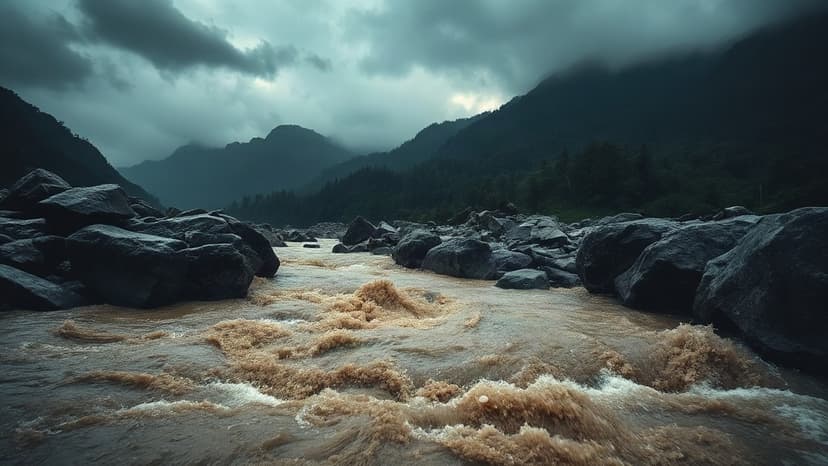
Nepal's devastating floods underscore a significant transboundary risk for India, stemming from their shared Himalayan river systems. Experts clarify that the relationship between Nepal's floods and India's disasters is complex, with rainfall, river levels, embankments, and drainage in India playing crucial roles. The Kosi, Gandaki, and Karnali are major river systems impacting India, with Bihar and Uttar Pradesh being particularly vulnerable states.
Flood peaks are often generated in Nepal's lower Siwalik and Chure hills due to intense monsoon rain on steep catchments. However, the actual severity of flooding in India depends significantly on conditions encountered by the water upon reaching Indian territory, including the Ganges' water level and the state of embankments. The 2008 Kosi disaster exemplifies this, where embankment failure, not an exceptional flood volume, caused catastrophe.
While real-time data sharing exists, gaps remain in monitoring critical areas and unified forecasting. The article debunks the misconception of Nepal 'releasing' water, noting the absence of large reservoirs. Instead, Nepal's rainfall largely dictates flood timing and size, contributing substantially to India's river flows. Furthermore, both nations face increasing hazards from climate change, including extreme rainfall and degrading permafrost, leading to more debris-laden, unpredictable floods.


