Home / Disasters and Accidents / Nepal's Peaks: Beauty and Brutal Floods Collide
Nepal's Peaks: Beauty and Brutal Floods Collide
28 Aug
Summary
- Flash floods from a glacier collapse killed hundreds in Nepal.
- Nepal's mountains are a draw for millions and international trekkers.
- Tourism is vital to Nepal's economy, attracting visitors for decades.
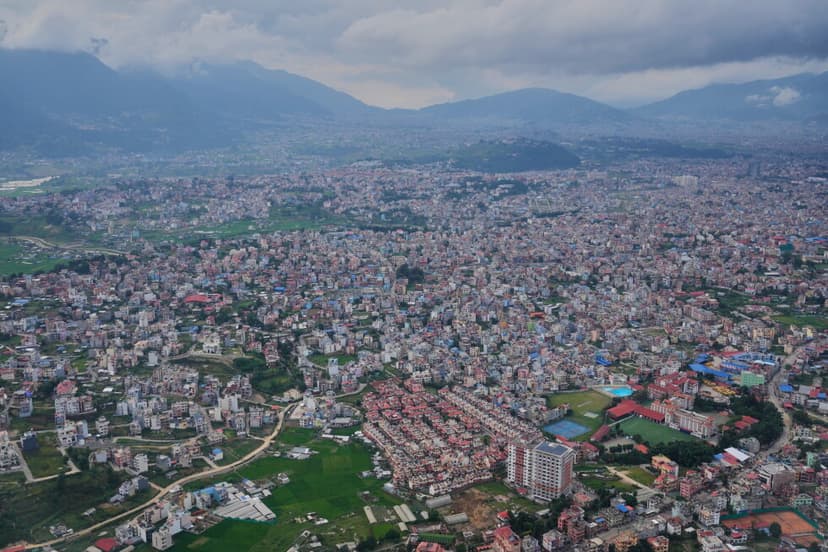
A recent flash flood in Nepal, caused by a glacier collapse, has resulted in hundreds of deaths and widespread destruction. This event underscores the dual nature of the Nepal-China border mountain range, which is both a source of danger and a significant attraction.
For centuries, these mountains have been traversed by traders and developed into expert mountaineering territory, notably by groups like the Sherpas. The mid-20th century saw an increase in tourism, with Nepalis guiding foreign explorers, culminating in the first summit of Mount Everest by Tenzing Norgay and Edmund Hillary in 1953.
In the decades since, trekking tourism has boomed, becoming a vital part of Nepal's economy. Popular destinations include Mount Everest and the Annapurna conservation area. However, this growth has led to challenges in managing issues such as waste and maintaining the pristine environment.
Despite the modernization of tourism infrastructure, including improved roads and accommodations, many visitors are drawn to Nepal's unspoiled natural beauty and vibrant cultures. This enduring appeal offers hope for recovery, similar to the resilience shown after the 2015 earthquake, as messages of support pour in.


