Home / Disasters and Accidents / From Miracles to Tragedy: India's Air Ambulance Woes
From Miracles to Tragedy: India's Air Ambulance Woes
2 Mar
Summary
- A decade of air safety probes reveals SOP violations and flawed flight planning.
- DGCA now holds senior executives accountable, not just pilots.
- Past accidents highlight issues like fuel planning and weather assessment failures.
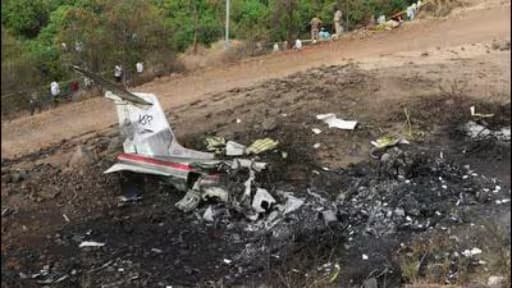
A decade of accident investigations has led the Directorate General of Civil Aviation (DGCA) to impose stricter regulations on non-scheduled operators following a rise in incidents. Reports over the past ten years have consistently highlighted violations of standard operating procedures, inadequate flight planning, and gaps in pilot training.
In a notable regulatory shift, accountability for safety lapses is now extended to senior executives and Accountable Managers, not solely to pilots. This intensified scrutiny follows a series of accidents, including a recent Baramati crash and a 2016 incident where an aged air ambulance experienced engine starvation due to improper fuel planning.
Past probes have revealed recurring safety concerns. Incidents during the Uttarakhand Char Dham Yatra route last year, including fatal helicopter crashes, were linked to low visibility and weather conditions. Investigations into these events pointed to failures in assessing weather and adhering to protocols.
Further compounding these issues, an accident in May 2021 involving an air ambulance saw high attrition rates in critical safety posts, with the Chief of Flight Safety position vacant at the time of the crash. Another incident in March 2021 revealed the absence of crucial flight recorders and communication failures during an emergency, prompting recommendations for audits of maintenance organizations.