Home / Disasters and Accidents / Snowfall May Worsen Lead Dust Fallout in Iowa
Snowfall May Worsen Lead Dust Fallout in Iowa
26 Nov
Summary
- Heavy snow could spread lead particles from a recent Army detonation.
- EPA monitors reported zero airborne lead post-detonation.
- Residents advised to clean outdoor surfaces upon returning home.
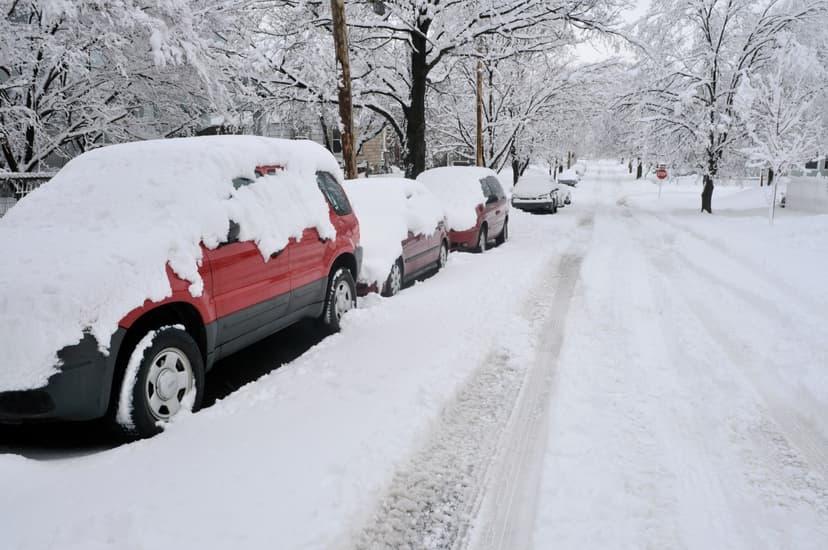
A forecast of 1 to 3 inches of heavy, wet snow is raising concerns for southeastern Iowa and northeastern Missouri overnight into Thanksgiving Day. This precipitation could potentially worsen the impact of the U.S. Army's controlled detonation of 5 tons of unstable lead azide, which occurred on Wednesday morning.
Officials determined that a controlled detonation was the safest course of action for the unstable material. However, residents and environmental experts worried about the potential release of toxic lead particles into the air. The Army carried out the detonation at 9 a.m. CT, citing optimal weather conditions.
Despite these concerns, EPA air quality monitors in the affected region reported zero lead concentration approximately two hours after the detonation. The National Weather Service issued a winter weather advisory, warning that the snow could fall through Thanksgiving evening.
AccuWeather meteorologist Alex DaSilva noted that if any lead particles remain airborne, the snow could capture them, similar to acid rain. While this might initially improve air quality, the lead particles would then be deposited on the ground, posing risks once the snow melts and potentially contaminates soil. Children were specifically advised against playing in or consuming the snow.
Federal officials confirmed no infrastructure damage and attributed the visible plume to aqueous foam. As residents who evacuated ahead of the detonation await clearance to return, they have been advised to clean outdoor surfaces. Ongoing environmental sampling will assess potential contamination and guide further cleanup efforts.


