Home / Disasters and Accidents / 800 Dead as Deforestation Amplifies Cyclone Devastation
800 Dead as Deforestation Amplifies Cyclone Devastation
3 Dec, 2025
Summary
- Cyclone Senyar caused floods, landslides, and debris, killing over 800.
- Deforestation from plantations and mines exacerbated storm impacts.
- Many officials were unprepared despite prior cyclone warnings.
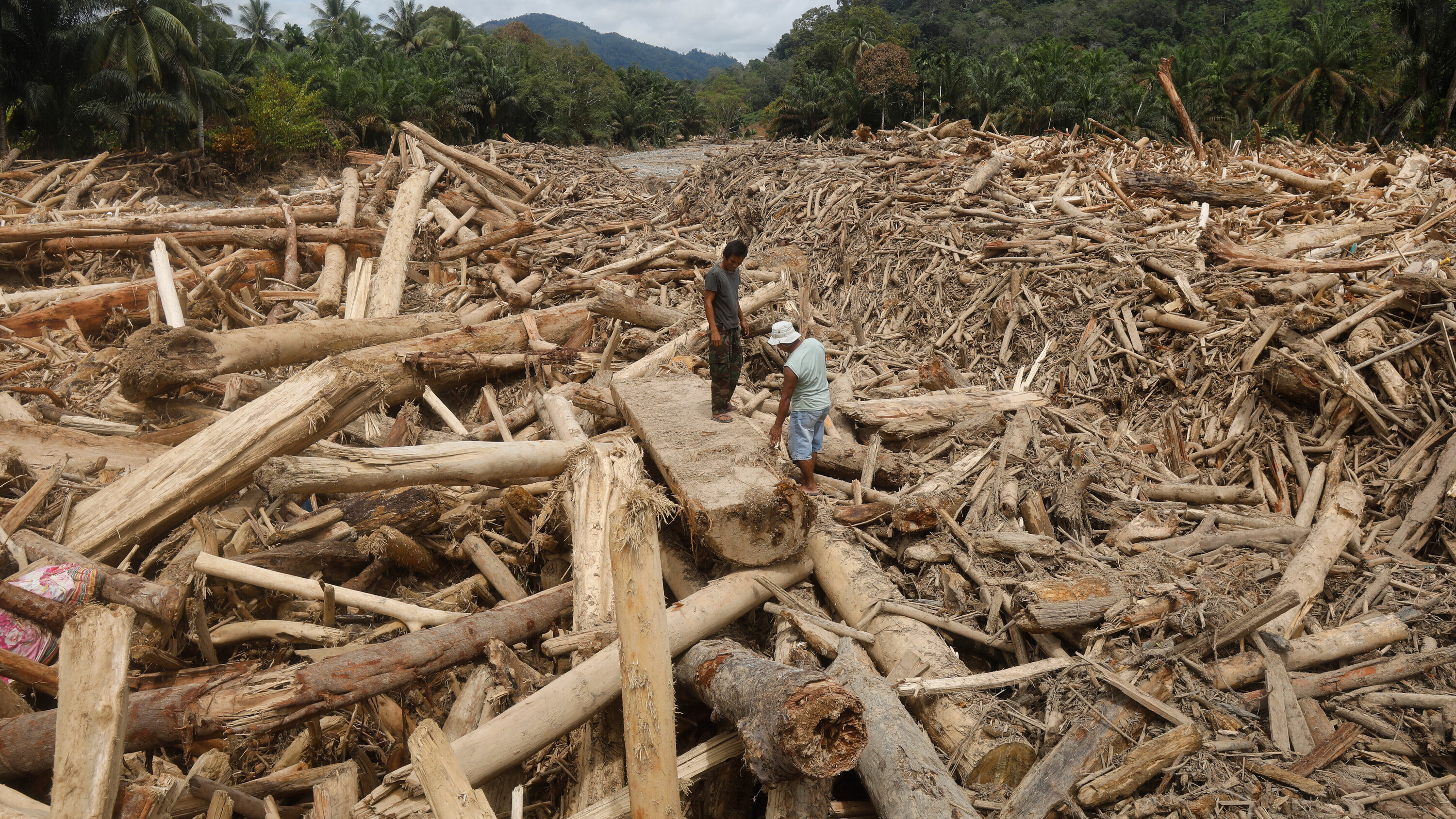
Cyclone Senyar unleashed torrential rains across northwest Indonesia, triggering catastrophic floods and landslides. The storm's devastating impact, which claimed over 800 lives and left hundreds missing, was significantly amplified by widespread deforestation. Decades of clearing natural forests for palm oil plantations, pulpwood farms, and gold mines meant that logs and debris became destructive battering rams as they swept through villages.
Officials acknowledged that the disaster was not solely natural, citing the loss of tens of thousands of hectares of forest since 1990. Investigations into environmental approvals for logging operations are underway. Despite meteorological agencies issuing timely warnings, some regional leaders failed to adequately prepare their communities, leaving residents with little time to react to the sudden inundation and landslides.