Home / Disasters and Accidents / India's Resilience Tested: Disasters Reshape Nation
India's Resilience Tested: Disasters Reshape Nation
11 Jan
Summary
- India ranks third globally in disaster proneness, facing frequent extreme weather.
- 2025 saw widespread floods, heatwaves, and storms impacting lives and infrastructure.
- Preparedness and response efforts, like Cyclone Phailin evacuations, save lives.
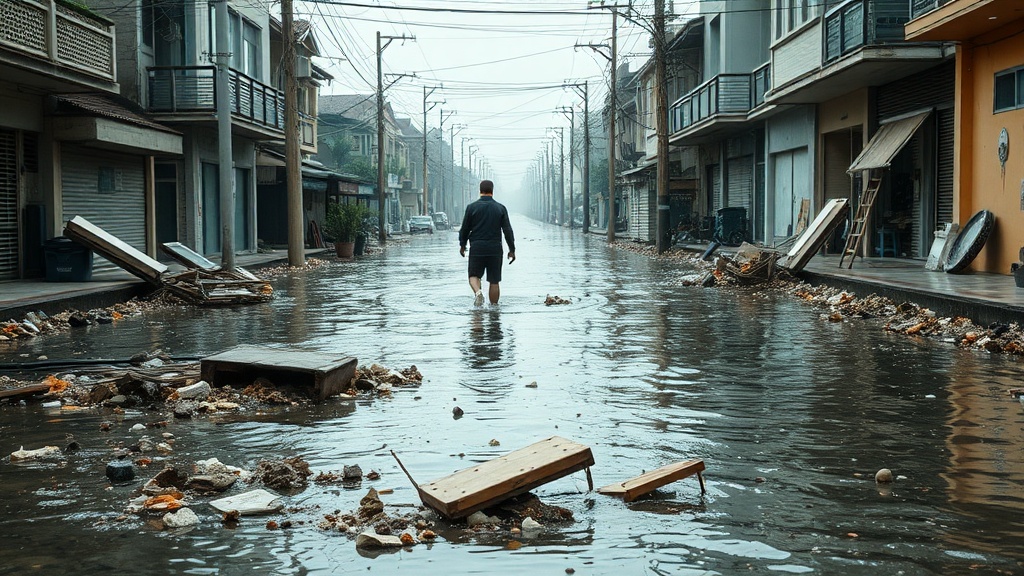
India faces a growing crisis as extreme weather events become recurring tests of its resilience. The year 2025 was marked by constant natural hazards, from devastating floods in North India impacting millions and causing billions in losses, to intense heatwaves across the nation. This heightened vulnerability stems from a confluence of geography, climate change, and development patterns.
The nation's disaster management framework, anchored by the Disaster Management Act of 2005, emphasizes prevention, mitigation, preparedness, and response. However, experts note a persistent challenge in prioritizing the less visible but crucial aspects of preparedness over immediate relief operations. Successful interventions, such as the mass evacuation before Cyclone Phailin in 2013, highlight the life-saving impact of robust planning and accurate early warnings.
Learning from global examples like Japan, India is urged to integrate robust urban planning, stringent construction standards, and community-wide drills into its development strategy. Proactive preparedness is presented not just as a technical requirement but a moral, economic, and developmental imperative, essential for transforming potential tragedies into stories of survival and resilience.