Home / Disasters and Accidents / Fukushima: Nature reclaims ghost towns
Fukushima: Nature reclaims ghost towns
27 Jan
Summary
- Wild animals now roam Fukushima's abandoned streets.
- Authorities struggle to encourage human return to Fukushima.
- Contaminated soil storage sites may become nature reserves.
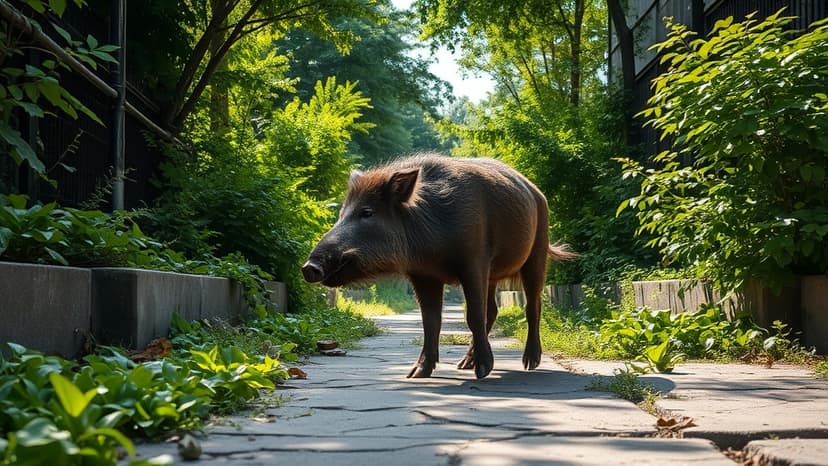
Fifteen years after the Fukushima Daiichi nuclear disaster, abandoned towns are being reclaimed by nature, with wildlife such as bears, raccoons, and boar now inhabiting the streets. Authorities face the dual challenge of encouraging former residents to return while also deciding how much land should be dedicated to the natural environment.
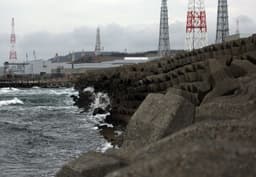
The nuclear plant, which suffered a triple meltdown in March 2011, led to widespread evacuation. Despite extensive decontamination efforts, elevated radiation levels persist in some areas, particularly in mountainous forests. These zones continue to pose challenges for human resettlement, with only 17% of the pre-disaster population having returned as of March 2025.
Experts are studying the impact of radiocaesium on the environment, noting that while animal populations have increased, certain food items remain banned. The long-term future of some contaminated sites, like interim storage facilities, is being considered for designation as nature conservation areas, pending national discussions.
Residents like Norio Kimura, who lost family in the disaster, hold onto dreams of returning, while others advocate for preserving sites like Kumamachi primary school as a reminder of the accident's dangers and lessons. The complex interplay between human return and nature's resurgence continues to shape Fukushima's future.