Home / Disasters and Accidents / Cincinnati Floodgate Mystery: Why Did It Stay Open?
Cincinnati Floodgate Mystery: Why Did It Stay Open?
21 Jul
Summary
- Cincinnati floodgate remained open during a historic 1,000-year storm event.
- Over 6 inches of rain fell in Oakley in just over an hour on July 17.
- City and Army Corps of Engineers are investigating the floodgate's failure.
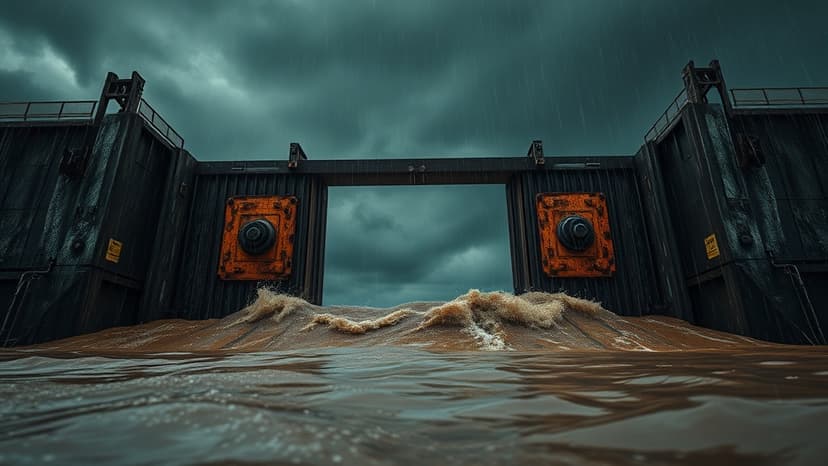
On July 17, a massive deluge inundated Cincinnati's East Side, with over six inches of rain falling in approximately one hour. This extreme precipitation event, described by experts as a potential '1,000-year storm,' overwhelmed the city's infrastructure.
The floodgate over Duck Creek in Oakley notably remained open throughout the heavy rainfall, leading to overflowing sewers and flooded streets. City officials and the Army Corps of Engineers have launched an investigation to determine why the floodgate did not close.
While the floodgate's purpose is to prevent creek overflow, officials indicate that the sheer volume of water overwhelmed many systems. Streets, sewers, and home drainage systems were inundated, with water entering basements and businesses. Many areas far from the creek also experienced severe flooding.
Civil engineers typically design for '100-year events,' and building infrastructure to withstand such rare, intense rainfall is prohibitively expensive. Recent data indicates a 10% increase in rainfall intensity in Cincinnati since 1970, a trend linked to climate change.
Business owners like Mark Fisk, whose furniture store suffered extensive damage, expressed frustration, having been previously assured of flood protection. The ongoing investigation seeks to clarify whether mechanical failure or overwhelming conditions caused the floodgate's inaction and assess its role in the property damage.


