Home / Disasters and Accidents / Kumamoto Quake Sparks Wave of AI-Faked Misinformation
Kumamoto Quake Sparks Wave of AI-Faked Misinformation
30 Jul
Summary
- Social media flooded with fake images and baseless claims post-earthquake.
- AI-generated content and conspiracy theories circulated widely.
- Expert urges skepticism and verification of online information.
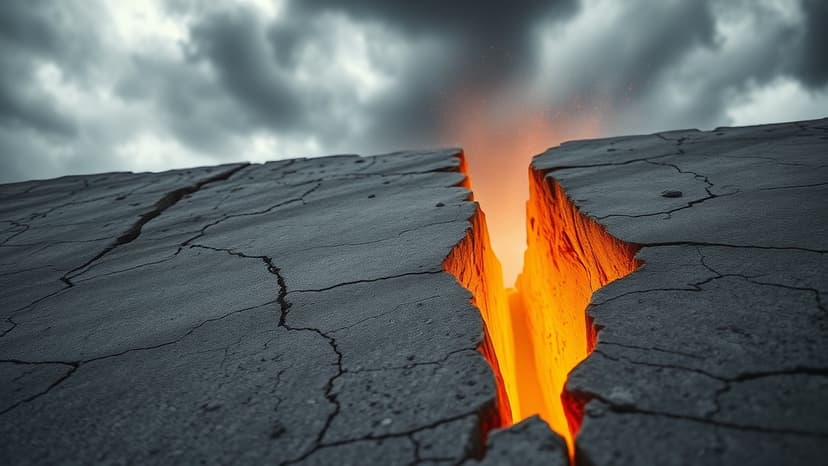
A powerful earthquake registering seismic intensity 7 in Kumamoto Prefecture on July 28 has triggered a surge of misinformation across social media platforms. Baseless claims and unverified information, including images believed to be generated by artificial intelligence, have spread rapidly, complicating the public's understanding of the event.
False narratives circulated widely, alleging terrorist attacks and even an "artificial earthquake," amplified by visually convincing AI-generated content. Conspiracy theories involving specific groups and events were also prevalent, alongside inaccurate reports about the earthquake's epicenter and damage to infrastructure like the Seven Stars luxury train.
This phenomenon echoes past incidents, such as the 2016 Kumamoto earthquakes, where a fabricated story of an escaped lion led to an arrest for obstructing operations. Experts warn that the increasing sophistication of AI makes distinguishing authentic content from fakes more challenging for the average user.
"It is difficult for ordinary people to determine whether such content is authentic," stated Daisuke Furuta, editor-in-chief of the Japan Fact-check Center. He stressed the critical need for skepticism and verification against reliable sources, such as public authorities and news organizations, to combat the spread of falsehoods.


