

Home / Crime and Justice / XL Bullies Strain UK Kennels Post-Ban
XL Bullies Strain UK Kennels Post-Ban
30 Mar
Summary
- UK kennels operate at full capacity due to XL bully seizures.
- Many XL bullies are abandoned as owners struggle with new rules.
- The crisis is expected to worsen as younger dogs mature.
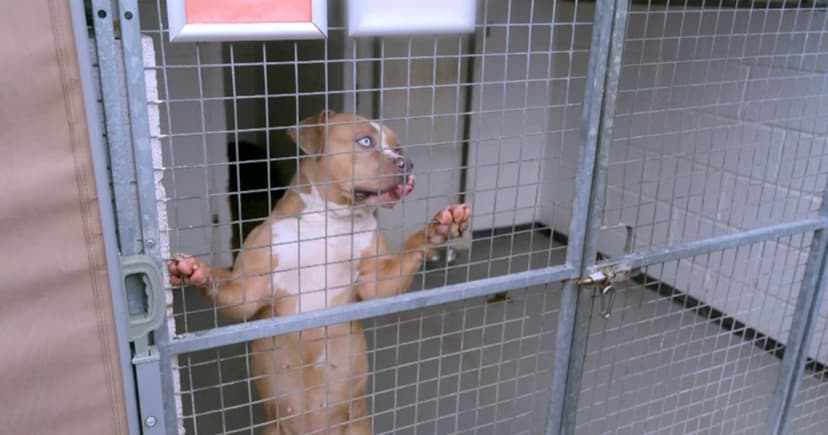
Specialist dog kennels in Britain are struggling to cope with a significant increase in the number of XL bully dogs seized or abandoned since restrictions were imposed in 2024. Facilities housing dangerous and seized animals are now operating at maximum capacity, with some private sites holding approximately 120 dogs at any given time.
Across multiple locations operated by the same company, over 500 dogs are housed, the majority linked to the banned breed. Staff report constant full kennels and increased calls for assistance with attacks, particularly during holiday periods. This surge puts immense pressure on police forces and kennel providers, who rely on private facilities to hold animals involved in criminal investigations or attacks.
The profile of dogs in kennels has also shifted, with a greater proportion now classified as highly aggressive or dangerous. This includes tragic cases like the death of 84-year-old John McColl, who was attacked by an XL bully in Warrington in February 2025. The owner, Sean Garner, claimed the dog was secured, but an examination found no food in its stomach.
Managing these animals presents ongoing challenges, with many exhibiting signs of anxiety. The stress of kennel environments can lead to pacing, barking, and aggression. Staff are frequently called to assist police following serious incidents, some of which are fatal. The number of attacks, particularly involving XL bully-type dogs, has seen a notable increase in recent 48-hour periods across the UK.
Alongside seized animals, kennels are also dealing with a rise in abandoned XL bully dogs. Owners are relinquishing pets due to new regulations like registration, insurance, muzzling, and neutering. Abandoned dogs face a limited timeframe; as rehoming is not permitted for banned breeds, euthanasia is often the only option if unclaimed.
Authorities anticipate that dog attacks may continue to rise in the short term as younger dogs mature. Questions linger about the effectiveness of current legislation, with some advocating for broader control measures beyond breed-specific bans. Kennels remain under sustained pressure due to high demand, limited space, and complex legal processes, indicating that the challenges are far from over.
