Home / Crime and Justice / Sumba: Slavery's Hidden Face in Paradise
Sumba: Slavery's Hidden Face in Paradise
21 Jul
Summary
- Generational slavery persists on Sumba, Indonesia, despite being illegal.
- Slaves are born into bondage, enduring unpaid labor and abuse.
- A rigid caste system rooted in tradition perpetuates the practice.
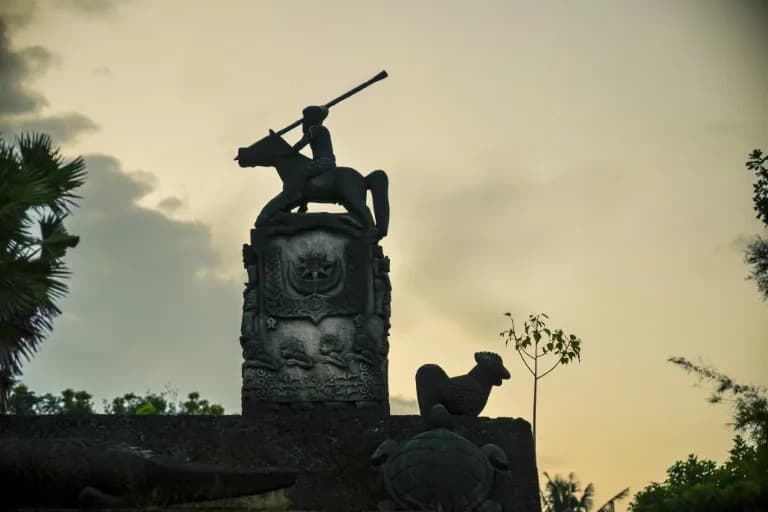
On the Indonesian island of Sumba, two hours from Bali's tourist beaches, a hidden reality of slavery persists. Individuals are born into bondage, known as 'ata,' and work from dawn to dusk without pay, facing potential abuse. This practice, outlawed over 160 years ago in Indonesia, survives due to Sumba's rigid caste system, particularly in the eastern parts of the island.
The island's older 'marapu' belief system, a blend of animism and ancestor worship, divides society into nobles ('maramba'), commoners ('kabihu'), and slaves ('ata'). This social stratification is deeply rooted, with legends suggesting nobles acquired slaves generations ago. The island's isolation has helped preserve these ancestral social structures.
Masters often exercise authority through physical and sexual violence, with 'ata' women being subjected to the master's will. Investigations into such cases, like one involving an 18-year-old victim, have faced significant delays. The deeply entrenched caste system requires a long process of mindset change, with experts emphasizing education as a key to eventual transformation.
Rights groups like Amnesty International and Human Rights Watch have urged the Indonesian government to enforce its ban on slavery. However, officials state they are fostering gradual social development rather than imposing sudden change. Some noble families are attempting reforms, but challenging deep-rooted customs remains difficult.


