

Home / Crime and Justice / Cheshire Serial Killer Theory Ignites New Documentary
Cheshire Serial Killer Theory Ignites New Documentary
30 Mar
Summary
- A coroner's officer proposed a serial killer in Cheshire since 1996.
- Police dismissed theories, leading to an officer's suspension.
- A new documentary reinvestigates two suspicious murder-suicides.
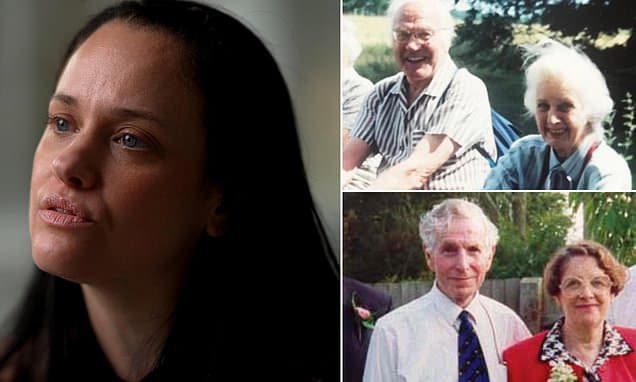
A contentious theory of a serial killer operating in Cheshire since 1996, first proposed by former coroner's officer Stephanie Davies, is at the center of a new ITV documentary, 'Hunting The Silver Killer'.
Davies's 179-page report suggested a serial killer could be responsible for at least two murder-suicides: the deaths of Howard and Bea Ainsworth in 1996 and Donald and Auriel Ward in 1999, both in Wilmslow. Police had concluded these were separate murder-suicides, but inconsistencies in forensic evidence, particularly blood spatter patterns and the absence of expected blood on Mr. Ainsworth's clothing, raised doubts for Davies and her predecessor, Christine Hurst.
Ms. Davies's persistent investigation and the subsequent leak of her report led to her suspension and a raid on her home by police who suspected her of leaking information to the press. The documentary features experts who conducted experiments to test the forensic theories, questioning the official accounts of both the Ainsworth and Ward deaths.
Further complicating the investigation, Davies identified three additional cases between 2000 and 2011 with similar characteristics, including deaths in Manchester and Cumbria. These cases also involved blunt and sharp force trauma, and were initially ruled as murder-suicides or domestic incidents. However, forensic re-examinations suggested potential inconsistencies, further fueling the serial killer hypothesis.
Cheshire Police, however, maintain their original conclusions, stating that extensive investigations by experienced detectives and the National Crime Agency found no evidence to support the serial killer theory. The force has expressed sympathy for the families impacted by the ongoing claims and criticized the documentary's production company for allegedly harassing them.
