Home / Crime and Justice / Black Babies More Likely Flagged to Police
Black Babies More Likely Flagged to Police
16 Jul
Summary
- Black newborns are over 2.5x more likely to be referred to law enforcement.
- False positive drug tests can lead to incorrect reporting to authorities.
- Many unfounded allegations against Black families are sent to law enforcement.
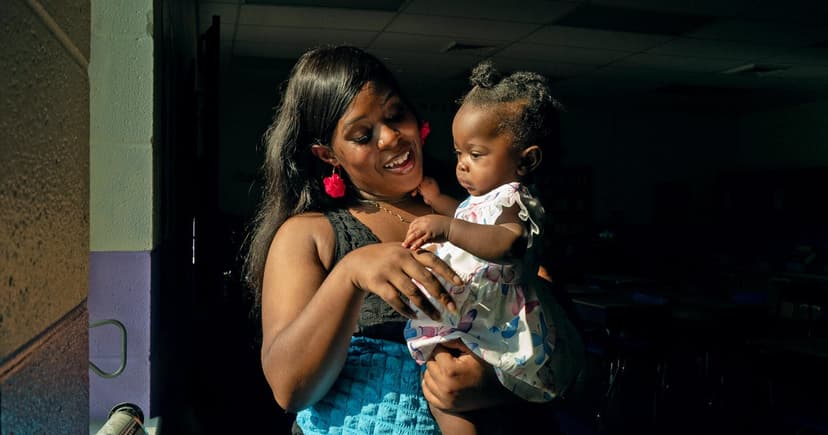
Black newborns face a disproportionately higher rate of referrals to law enforcement compared to White newborns due to allegations of substance use during pregnancy. An analysis of child welfare data from eight states indicates Black babies are about two and a half times more likely to be flagged.
These referrals frequently originate from unreliable hospital drug tests at childbirth, which can produce false positive results. This leads to incorrect reporting to child welfare and law enforcement authorities, impacting Black families even when investigations find no evidence of abuse or neglect.
During a seven-year period, over 25,000 Black newborns were subjects of these referrals across 20 states. In eight states with detailed data, Oklahoma flagged an estimated 1 in 11 Black babies, while Minnesota families of Black newborns were about three and a half times more likely to be referred to police.
Decades of research suggest racial disparities are embedded throughout the child welfare system. Black women are more likely to be drug tested, reported, investigated, and separated from their children. The consequences can range from shame and surveillance to arrest, prosecution, and lasting trauma.
Advocates point out that these practices contribute to stress and depression among Black postpartum women, worsening the Black maternal mortality crisis. The focus appears to be on race rather than actual substance use or harm.
Two cases in South Carolina illustrate potential racial bias: a Black mother was arrested for a THC positive test from legal CBD, while a White mother with a similar test was not charged. This highlights how testing, particularly for marijuana, can flood the system with cases against families who pose no harm.
Even when allegations are unfounded or deemed low risk, child welfare agencies may still be required to share them with law enforcement. In some states, child welfare dismissed or diverted pregnancy substance use allegations against Black families 25% more often than against White families.
Experts and advocates suggest solutions include ending routine drug testing of pregnant women, implementing precise confirmatory tests, obtaining informed consent, and shifting funding from punitive measures to family support services like drug treatment programs with childcare and food assistance.
The data analyzed spans mid-2018 to mid-2024 from the National Data Archive on Child Abuse and Neglect. Eight states provided detailed numbers: California, Georgia, Kentucky, Minnesota, Ohio, Oklahoma, South Carolina, and Texas.


