Home / Crime and Justice / Eating Behind Bars: Uncovering Culinary Cruelty
Eating Behind Bars: Uncovering Culinary Cruelty
31 Dec, 2025
Summary
- Prison kitchens often harbor pests like rats and roaches.
- Incarcerated individuals suffer malnutrition from unhealthy meals.
- Food is used as a tool for punishment and control.
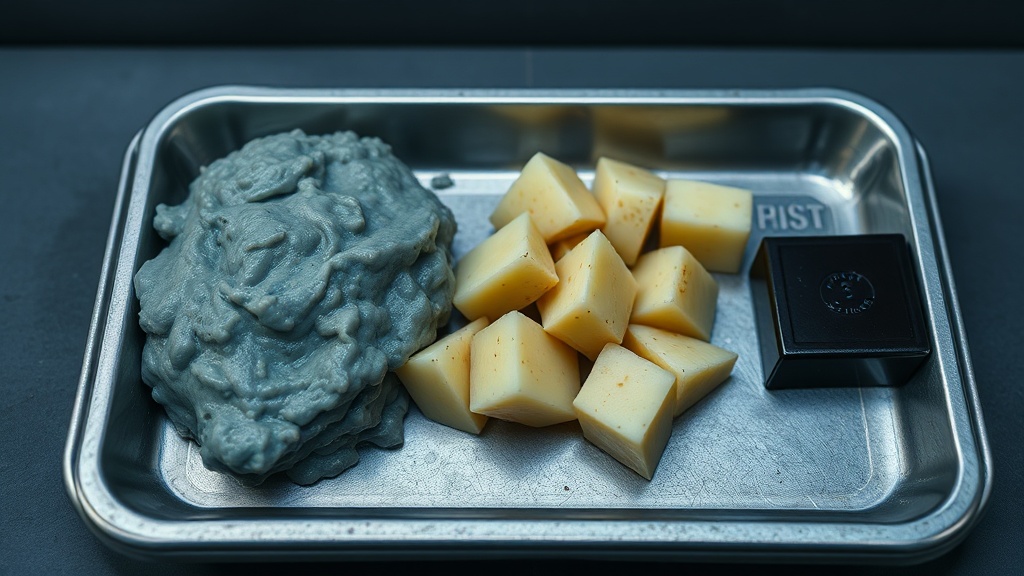
A disturbing reality of food provision in US correctional facilities is exposed in "Eating Behind Bars," a book detailing how meals are used punitively. Incarcerated individuals frequently receive unhealthy, unpalatable, or even inedible food, leading to widespread hunger and malnutrition. This systemic issue has significant public health implications, potentially reducing life expectancy for those incarcerated.
The book highlights instances of poor sanitation, such as roaches and rats in kitchens, and describes meals consisting of highly processed, carb-heavy items with minimal nutritional value. Food is sometimes withheld or strictly controlled, with residents facing disciplinary action for attempting to share or save even basic items like bread or fruit.
Reform advocates are pushing for changes, emphasizing that better food systems can lower healthcare costs and improve re-entry success. Initiatives like California's "Harvest of the Month" program aim to introduce fresh, local produce, offering a glimpse of potential improvements in the often-harsh culinary landscape of prisons.