Home / Crime and Justice / Insanity Defense: A Complex Postpartum Issue
Insanity Defense: A Complex Postpartum Issue
4 Sep
Summary
- Legal insanity defenses for postpartum psychosis vary by state.
- Proving postpartum psychosis in court presents significant challenges.
- Some countries offer treatment instead of incarceration for infanticide.
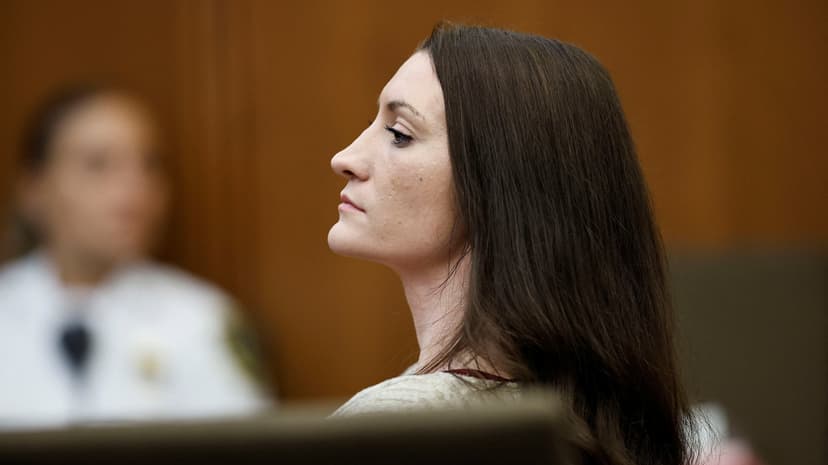
In the U.S. legal system, postpartum psychosis defenses are treated as standard insanity pleas, requiring defendants to meet state-specific definitions of insanity. These definitions range from proving a lack of understanding of actions or wrongfulness, to the inability to resist an impulse. Massachusetts employs a less restrictive definition where prosecution must prove the defendant's capacity to appreciate wrongfulness and conform conduct to law.
Proving postpartum psychosis in court is challenging due to its complex and often fluctuating symptoms, which can include paranoia and reality distortion. Experts emphasize that a postpartum psychosis diagnosis alone does not automatically equate to no criminal responsibility. Unlike the U.S. approach, approximately three dozen other countries have specific laws for postpartum infanticides, often prioritizing treatment over incarceration.
Efforts to enact similar laws in U.S. states like Texas and California have largely stalled, though Illinois passed a law in 2018 recognizing postpartum depression and psychosis as mitigating factors in sentencing. Those found not guilty by reason of insanity are typically committed to psychiatric hospitals indefinitely, often for longer periods than a potential prison sentence.


