Home / Crime and Justice / Pink Cocaine: Deadly Club Drug's True Identity Revealed
Pink Cocaine: Deadly Club Drug's True Identity Revealed
11 Jan
Summary
- The drug, often called 'pink cocaine' or tusi, is not cocaine but a dangerous polydrug cocktail.
- It contains unpredictable mixtures like ketamine, ecstasy, and sometimes fentanyl or meth.
- Its unknown composition significantly increases overdose risk, with no antidote available.
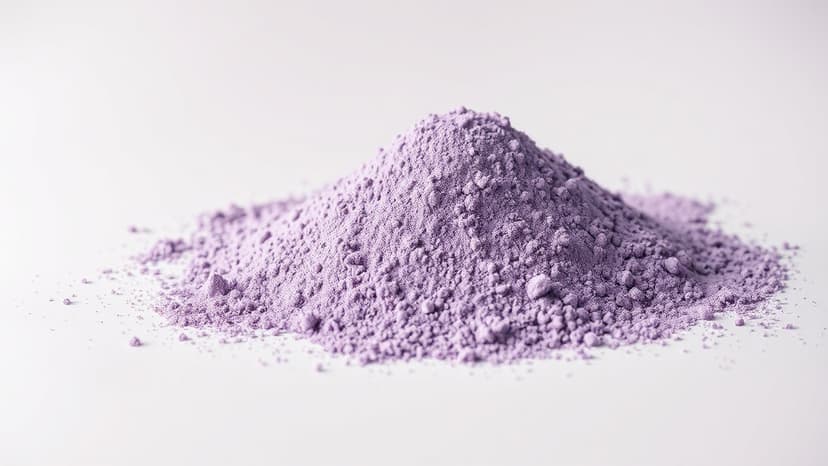
Health officials are increasingly concerned about 'pink cocaine,' also known as tusi or tusi, a potent polydrug surfacing in US nightclubs. This substance is not cocaine but a dangerous and unpredictable mix, frequently containing ketamine and ecstasy, with occasional additions of methamphetamine or fentanyl. The volatile composition significantly elevates the risk of overdose, posing a severe threat to users.
Originating in Colombia around 2010, tusi began as a club drug mimicking psychedelics. Its name stems from a Latinized pronunciation of '2C,' with pink dye added as a branding strategy, making it visually appealing and 'Instagrammable.' Dealers can recreate it locally using available drugs, highlighting the spread of the concept rather than just the product itself.
America's Poison Centers reported 18 'pink cocaine' exposures in four states since January 2024, with many requiring medical treatment. Due to its unpredictable nature, there is no specific antidote, and medical responders can only provide supportive care while the drugs clear the patient's system. The drug has been linked to fatalities and is appearing in areas like rural Louisiana.