Home / Crime and Justice / Murdaugh Investigator Accused of Lying to Grand Jury
Murdaugh Investigator Accused of Lying to Grand Jury
13 Nov
Summary
- Defense claims investigator lied to grand jury about evidence.
- Court clerk's influence led to overturning Murdaugh's conviction.
- New indictments can be sought if current ones are dismissed.
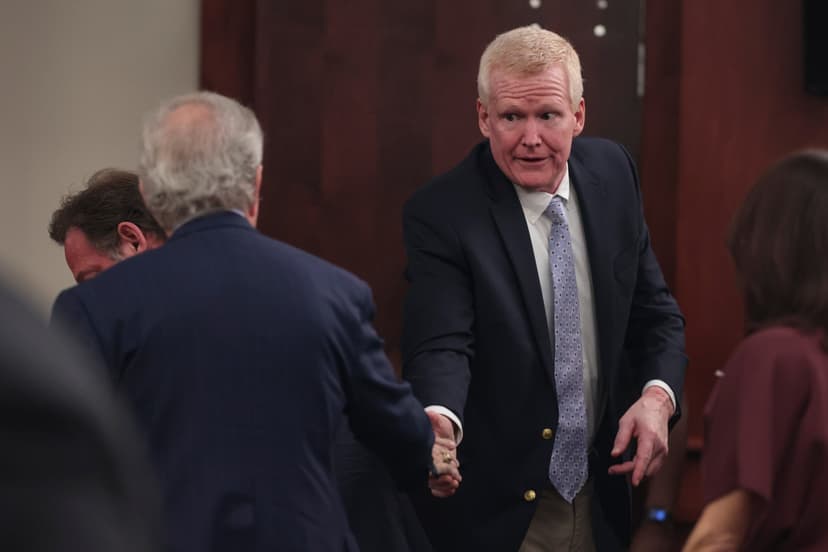
Attorneys representing Alex Murdaugh are slated to appear in court on Friday, November 14, 2026, to petition a judge to dismiss the original murder indictments for the killings of his wife and son. The defense team asserts that the chief investigator in the case provided false testimony to the grand jury.
Murdaugh is currently awaiting a retrial on murder charges. His previous convictions and life sentence were overturned by the South Carolina Supreme Court, which ruled that a court clerk had improperly influenced the jurors against him during his 2023 trial.
Should the judge grant the defense's request to dismiss the indictments, it may not necessarily halt or postpone the scheduled April retrial. Prosecutors possess the ability to seek a new set of grand jury indictments as early as next month, a move the defense stated they would not obstruct.
This potential ruling would represent another significant rebuke for the chief investigator, State Law Enforcement Division agent David Owen. Owen, who retired abruptly in 2024, was previously involved in a different murder case that was dismissed after he failed to relay critical information about a suicide threat to prosecutors and defense attorneys.
Prosecutors allege that Murdaugh, 58, murdered his wife, Maggie, and younger son, Paul, in 2021. Murdaugh is already serving a lengthy prison sentence for financial crimes, having admitted to theft and other illicit activities, though he denies the murder charges.
The defense contends that during the indictment process, Owen misled the grand jury by claiming blood spatter was found on Murdaugh's clothing, a detail not supported by earlier reports or trial evidence. Owen also allegedly misrepresented the presence of specific ammunition used in Paul Murdaugh's death on the family property.
Prosecutors maintain that ample other evidence supports the murder charges, arguing that a single error by an investigator does not constitute bad faith. They highlighted Murdaugh's voice on a video from the crime scene and the mounting financial pressures he faced, which were nearing discovery at the time of the killings.


