Home / Crime and Justice / Jury Weighs Mental Health in Mother's Murder Trial
Jury Weighs Mental Health in Mother's Murder Trial
27 Aug
Summary
- Mother charged with murder in deaths of her three young children.
- Trial hinges on defendant's mental state and criminal responsibility.
- Expert testimony contrasts views on defendant's alleged psychosis.
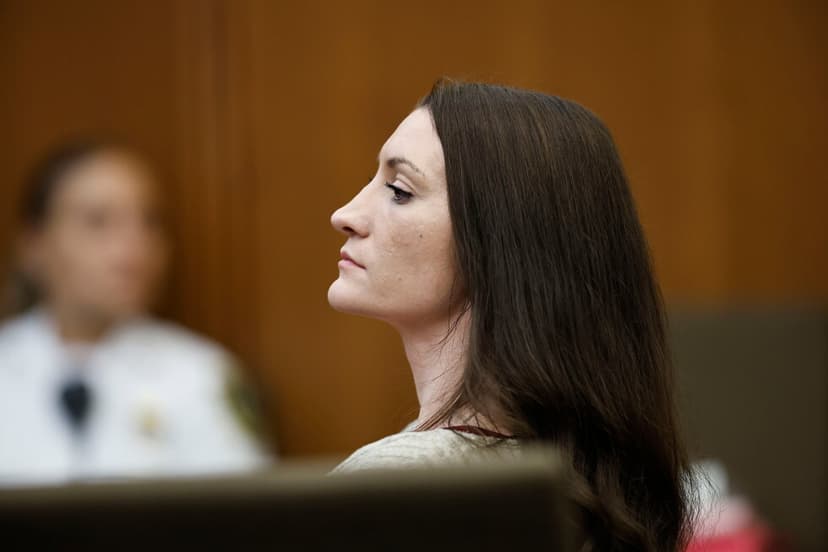
The murder trial of Lindsay Clancy, accused in the 2023 deaths of her three children, has concluded its testimony phase, with the jury now deliberating. The case centers on Clancy's mental state at the time of the killings in Duxbury, Massachusetts.
Clancy has pleaded not guilty by reason of lack of criminal responsibility. Her defense argues that severe mental illness, including bipolar disorder and postpartum psychosis, led her to believe she heard voices commanding her to kill her children and herself. Diary entries reportedly detailed her struggles with anxiety and feeling overwhelmed.
Conversely, prosecutors maintain Clancy was aware of her actions and acted deliberately. They highlighted her participation in daily activities the day of the incident and questioned her suicide attempt. Expert witnesses offered differing opinions on Clancy's mental state, with defense experts diagnosing her as psychotic and prosecution experts agreeing she had psychological issues but not psychosis.
Postpartum psychosis, a rare condition causing delusions and disorganized thinking, affects a small percentage of women after childbirth, with higher risk for those with prior mental health conditions. Evidence showed Clancy sought help from multiple providers in the months before the tragedy, though disagreements exist on the adequacy and management of her care.
The jury's decision will determine whether Clancy faces life in prison or confinement in a mental health facility. The outcome could also influence whether prosecutors opt for a retrial if a mistrial is declared.


