Home / Business and Economy / China's $85B Smart City: Ghost Town or Future Hub?
China's $85B Smart City: Ghost Town or Future Hub?
1 Jan
Summary
- Xiong'an, an $85 billion smart city, struggles with low occupancy.
- Residents find the technologically advanced city 'boring' and lacking social life.
- Despite challenges, China's President Xi plans rapid development and relocation.
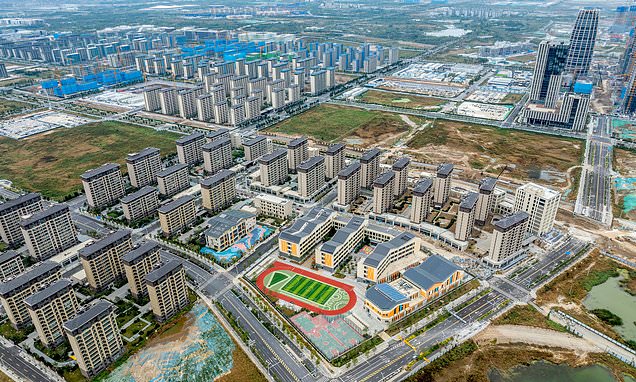
Xiong'an, China's state-level new area, developed at a cost of $85 billion, was intended to alleviate pressure on Beijing. Touted as an innovative smart city blending technology and nature, it offers advanced amenities and pandemic-resistant designs. However, despite its launch in October 2021 and a population of 1.2 million as of 2025, much of the city remains deserted, leading critics to label it a ghost town.
Residents describe Xiong'an as 'boring,' citing a lack of social life and leisure opportunities, which discourages relocation and business investment. The city's strict rules and the emphasis on work over social activities pose significant challenges. Small business owners express concerns that employees would prioritize quality of life over job offers in Xiong'an, even with hiring subsidies.
Despite these criticisms, President Xi is committed to Xiong'an's development. The government is actively working to increase resident numbers, with nearly 5,000 new homes built in early 2025 and plans for 13 housing districts. Major government departments are expected to move to the city by 2035, signaling a continued push for its rapid expansion and population growth.