Home / Business and Economy / Winter food prices surge: what to expect
Winter food prices surge: what to expect
22 Sep
Summary
- Erratic weather and rising input costs threaten winter food production.
- Key foods like chocolate and potatoes face supply issues and price hikes.
- Manufacturers may use cheaper ingredients, impacting food quality.
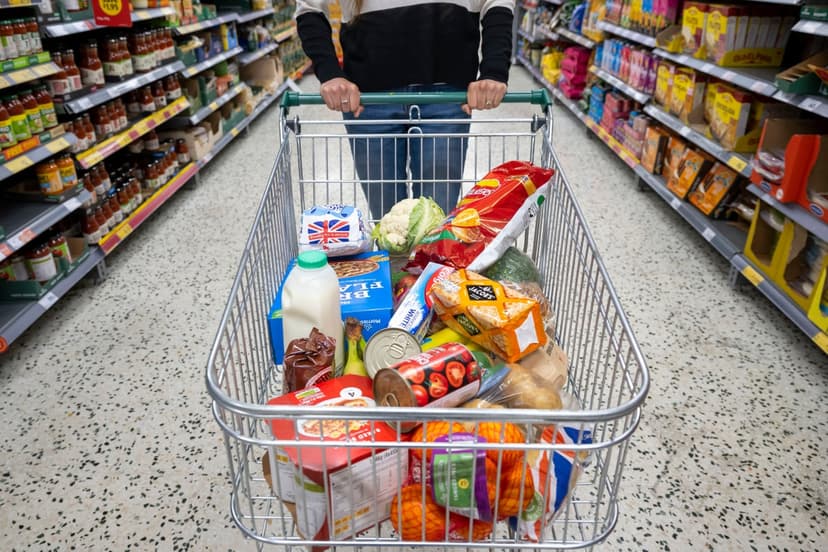
This winter, consumers may find their grocery baskets significantly impacted by a confluence of pressures on food production. Erratic weather patterns, exacerbated by climate change and phenomena like El Niño, have reduced crop yields. Simultaneously, international conflicts have driven up the costs of essential farming inputs, including fuel and fertilizer.
These compounding challenges directly affect farmers' livelihoods and increase production expenses. Consequently, the quality, volume, and nutritional value of food on store shelves could diminish as manufacturers opt for cheaper ingredients to mitigate rising prices.
Familiar foods like chocolate and potatoes are already illustrating these trends. Cocoa production, vital for West African farmers, is threatened by unpredictable rainfall and drought, leading to significant price increases for consumers. Similarly, dry summer conditions have severely impacted potato harvests in the UK and Europe, with supply falling millions of tonnes below expectations.
Leafy greens like spinach and lettuce are also vulnerable to heat stress and water scarcity. While increased imports from countries like Spain might offer a temporary solution, they highlight a lack of resilience in domestic food production. Wheat yields have also suffered due to drought, and combined with rising energy costs, this will likely inflate bread prices.
Olive oil, a source of healthy fats, faces similar challenges. Droughts and extreme temperatures in Mediterranean growing regions, coupled with wildfires, are impacting olive yields and driving up prices. This nutritional dilemma will pressure shoppers to seek more affordable, less healthy alternatives.


