feedzop-word-mark-logo
searchLogin
Feedzop
homeFor YouUnited StatesUnited States
You
bookmarksYour BookmarkshashtagYour Topics
Trending
Terms of UsePrivacy PolicyAboutJobsPartner With Us

© 2026 Advergame Technologies Pvt. Ltd. ("ATPL"). Gamezop ® & Quizzop ® are registered trademarks of ATPL.

Gamezop is a plug-and-play gaming platform that any app or website can integrate to bring casual gaming for its users. Gamezop also operates Quizzop, a quizzing platform, that digital products can add as a trivia section.

Over 5,000 products from more than 70 countries have integrated Gamezop and Quizzop. These include Amazon, Samsung Internet, Snap, Tata Play, AccuWeather, Paytm, Gulf News, and Branch.

Games and trivia increase user engagement significantly within all kinds of apps and websites, besides opening a new stream of advertising revenue. Gamezop and Quizzop take 30 minutes to integrate and can be used for free: both by the products integrating them and end users

Increase ad revenue and engagement on your app / website with games, quizzes, astrology, and cricket content. Visit: business.gamezop.com

Property Code: 5571

Home / Business and Economy / Weight Loss Drugs Lighten Airline Fuel Costs

Weight Loss Drugs Lighten Airline Fuel Costs

15 Jan

•

Summary

  • Airline fuel costs could decrease by $580 million this year.
  • Popular weight-loss drugs are making passengers lighter.
  • A 10% passenger weight reduction can save 1.5% on fuel.

Weight Loss Drugs Lighten Airline Fuel Costs

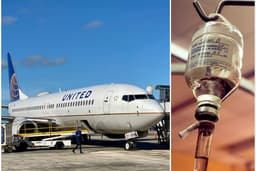
The widespread adoption of weight-loss drugs is expected to yield substantial fuel savings for major US airlines, potentially amounting to as much as $580 million this year. As passengers shed pounds, aircraft become lighter, directly impacting fuel consumption. This development offers a way for the industry to cut costs, with analysts estimating that the top four carriers could save a significant portion of their combined $38.6 billion annual fuel expenditure.

The increased availability of these medications, including in pill form, coupled with falling obesity rates, suggests broader usage and further implications for passenger weight. Analysts project that a 10% decrease in passenger weight could result in a 1.5% reduction in fuel use and a 4% boost in earnings per share. This aligns with observed trends of declining US adult obesity rates and a doubling in the number of individuals taking weight-loss drugs.

Airlines globally already account for passenger weight using standard measurements from aviation authorities to determine fuel needs. These potential savings do not account for any possible reduction in snack sales. The ongoing shift towards lighter passengers presents an intriguing financial benefit for the airline industry.

Disclaimer: This story has been auto-aggregated and auto-summarised by a computer program. This story has not been edited or created by the Feedzop team.
Major US airlines could save up to $580 million in fuel costs this year due to passengers losing weight.
The increasing popularity and usage of weight-loss drugs like Ozempic and Wegovy are contributing to passenger weight loss.
A 10% reduction in passenger weight can lead to approximately 1.5% savings in fuel consumption for airlines.

Read more news on

Business and Economyside-arrow
trending

Qualcomm stock falls on shortages

trending

HAL shares tumble after AMCA

trending

Suzlon Energy Q3 results up

trending

Cognizant profit rises 18.7%

trending

JSW Cement Q3 profit rises

trending

Trent share price cautious outlook

trending

Pakistan India T20 boycott

trending

Savannah Guthrie pleads for mother

trending

Mrunal Thakur wedding rumours

You may also like

Checked Bags Surge: Travelers Embrace Fees Again

1 day ago • 6 reads

article image

Guernsey Trial: Weight Loss Jabs to Aid 300

30 Jan • 29 reads

article image

Autism Travel Breakthrough: Families Fly & Stay With Ease

30 Jan • 25 reads

article image

Obesity Pill: Cheaper, Needle-Free Future for UK?

15 Jan • 134 reads

article image

United Fires Cancer Patient Days Before FMLA

15 Jan • 109 reads

article image