Home / Business and Economy / Vertical Farms: The High-Tech Dream Withers
Vertical Farms: The High-Tech Dream Withers
21 Mar
Summary
- Vertical farming's promise of abundant, clean produce has largely failed.
- Billions in venture capital funding have vanished as many companies closed.
- Rising energy costs and tight capital markets contributed to failures.
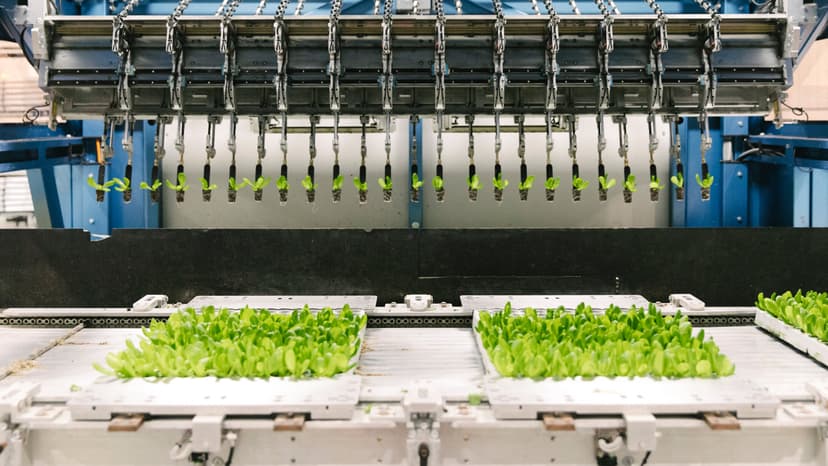
Vertical farming businesses, which promised an abundant and cleaner source of fruits and vegetables, have largely failed. A decade ago, the industry was a darling of venture capital, with billions invested in companies aiming to revolutionize agriculture. These high-tech operations, housed in warehouse-like structures, used hydroponic or aeroponic systems and LED lighting.
However, the reality of the agriculture industry, with its already thin margins, proved challenging. The perceived advantages of vertical farms eroded with rising energy costs. Furthermore, increased interest rates tightened venture capital firms' access to cash, leading to the downfall of prominent companies like Bowery Farming and AppHarvest.
Just three years ago, over twenty companies committed to a Vertical Farming Manifesto. Today, fewer than ten remain in business, a stark indication of the industry's collapse. The investors and companies were unprepared for the intense competition from efficient traditional farms and the economic headwinds.