Home / Business and Economy / Weight Loss Jabs Shrink UK Grocery Bills
Weight Loss Jabs Shrink UK Grocery Bills
10 Jun
Summary
- Weight loss drug use nearly tripled in UK households over two years.
- Grocery spending fell by £780 million due to fewer purchases.
- Sales of crisps and chocolates declined, oral health products rose.
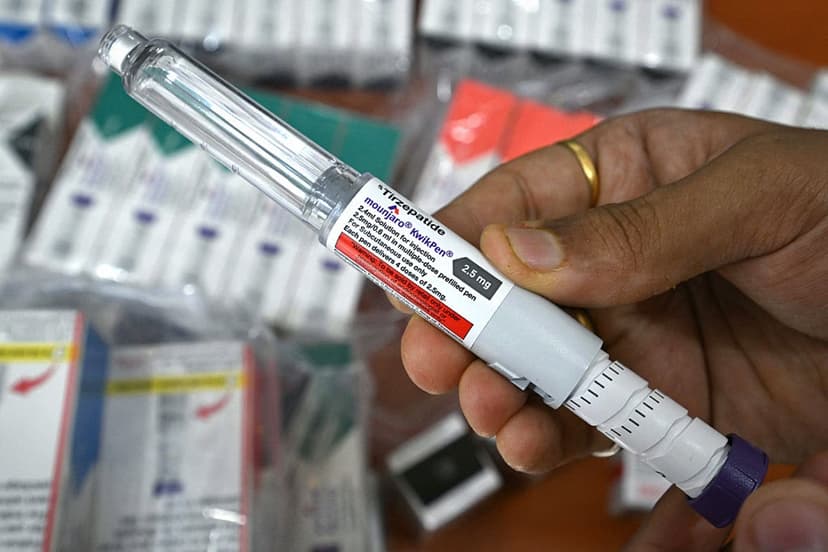
The increasing use of weight loss drugs in the UK has led to a notable shift in consumer spending, impacting supermarket sales. Research indicates that the percentage of UK households with at least one user of these GLP-1 drugs has nearly tripled from 2.3% in 2024 to 6.3% in 2026. This surge has resulted in a significant decrease in grocery bills, with overall spending falling by £780 million. Households using these medications reported a £418 reduction in their grocery expenditure compared to non-user households.
The changing consumption habits are most evident in product sales, with crisps and chocolates experiencing the sharpest declines. Conversely, sales of oral health products have risen, a trend attributed to side effects like bad breath associated with the weight loss jabs. The high cost of these medications, however, remains a barrier, with four out of ten users discontinuing them due to expenses that can amount to several hundred pounds monthly. This financial aspect is a critical factor influencing sustained usage and market dynamics.
Women constitute the majority of users, accounting for 77% in 2026, while men make up 23%. A growing trend shows that over a quarter of respondents would use GLP-1 medication for weight loss even without a major health issue, indicating a move towards aesthetic or lifestyle reasons for drug adoption. This wider audience is fundamentally altering how people interact with food and drink, necessitating adaptation from brands and businesses.
Users are increasingly adopting a "mindful" approach to eating, prioritizing hunger cues over routine. This has translated into evolving consumer expectations, with 40% desiring smaller portion sizes on menus and 26% seeking GLP-1 friendly menu options. Despite concerns that 72% believe the drugs are being adopted too rapidly without full understanding of long-term effects, their growth shows no sign of slowing, especially with increasing adoption in markets like the US and ongoing innovation.


