Home / Business and Economy / Steelworks Furnace Delayed by Red Sea Shipping Chaos
Steelworks Furnace Delayed by Red Sea Shipping Chaos
29 Mar
Summary
- Delivery of a giant electric arc furnace to Port Talbot delayed.
- Soaring shipping costs are the cause of the delay.
- The disruption will not affect the overall project timeline.
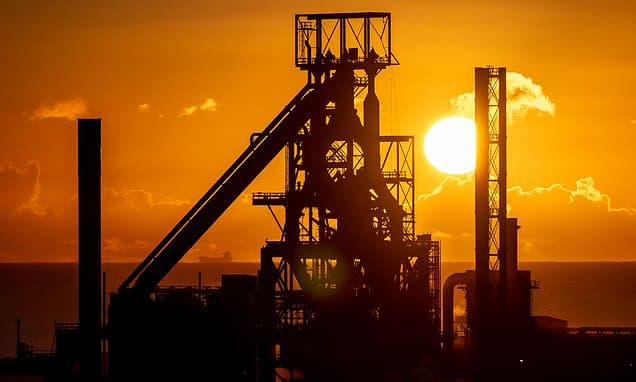
Delivery of one of the world's largest electric arc furnaces to the Port Talbot steelworks in Wales has faced delays. Soaring shipping costs, exacerbated by the ongoing Iran war, have left key components stranded in China.
The substantial furnace, capable of an annual output of 3.2 million tons, is being supplied by Italian firm Tenova. Some essential sections are being manufactured in China as they are not produced elsewhere globally.
Tata Steel, the owner of Port Talbot, has stated that the current disruption will not affect the £1.3 billion site rebuilding plan. Work on other aspects of the project can continue while the furnace components are en route.
Electric arc furnaces (EAFs) use electricity to melt scrap metal, a greener alternative to traditional coal-powered blast furnaces. Vessels carrying the EAF components must now take a longer route around the Cape of Good Hope to avoid the Red Sea and Suez Canal.
Tata Steel has stated that the longer shipping route was always part of their contingency planning. While the company did not disclose additional costs due to commercial confidentiality, they confirmed they would cover any extra expenses, not the government, which is contributing £500 million.
Despite the component manufacturing occurring in the Far East, Tata Steel emphasized that the specific type of EAF is not manufactured in Europe and its installation is vital for securing the long-term future of UK steelmaking. Over 10,000 tons of steel for the furnace and infrastructure are being sourced from the UK.
This delay highlights the UK steel industry's vulnerability to global events and international competition. It also coincides with broader concerns about the industry's reliance on natural gas, whose prices have also surged due to Middle East conflicts.


