Home / Business and Economy / Bacteria Extract Gold From Old Tech
Bacteria Extract Gold From Old Tech
2 Mar
Summary
- UK company uses bacteria to extract gold from discarded electronics.
- Bioscope processes 1,250 tonnes of e-waste, producing 11kg of gold in 2025.
- E-waste contains vast amounts of valuable metals, often illegally dumped.
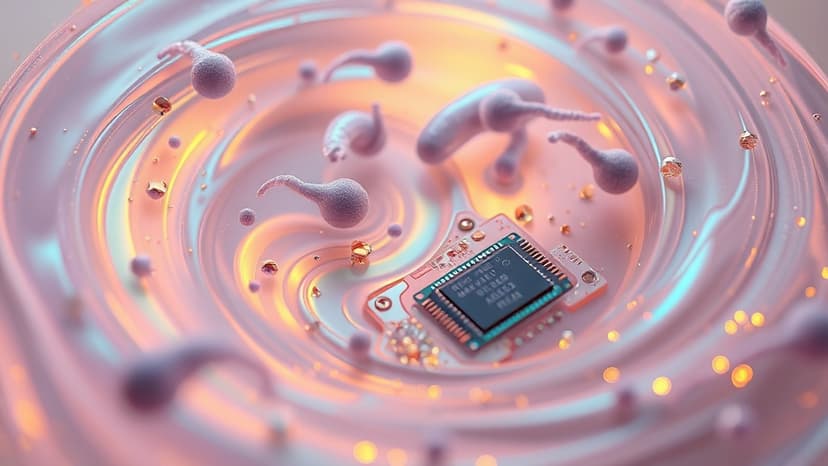
In Suffolk, UK, a company named Bioscope is pioneering a novel method to extract gold from electronic waste using bacteria. This innovative process, known as bioleaching, transforms discarded phones, laptops, and circuit boards into valuable raw materials.
Founded in January 2022 as a sister company to N2S, Bioscope was backed by former rugby stars Simon Taylor and Andrew Gomarsall. Their mission is to recover precious resources within Britain, rather than allowing them to be shipped abroad.
The bioleaching process involves grinding down electronic components and soaking them in a bacteria solution. These bacteria isolate valuable elements like gold, leaving less valuable metals behind. This method uses less water and electricity, emitting negligible CO2 compared to traditional extraction techniques.
In 2025, Bioscope processed 1,250 tonnes of electronic waste, producing over 11kg of gold, 10kg of palladium, and 100kg of silver. The company anticipates a tenfold increase in these figures this year due to expanding operations and growing demand for ethically sourced metals.
Globally, over 60 million tonnes of e-waste are generated annually, with a significant portion containing billions in valuable raw materials that are often illegally dumped. Bioscope's approach offers a sustainable solution to this growing environmental challenge, with potential expansions into data center recycling in the US also being explored.