

Home / Business and Economy / Uber's Bold AI Bet: Partnering, Not Building
Uber's Bold AI Bet: Partnering, Not Building
7 Apr
Summary
- Uber partners with Waymo and Rivian for autonomous vehicle access.
- Developing self-driving tech independently is capital-intensive and risky.
- Partnerships offer Uber cost savings and market access for AVs.
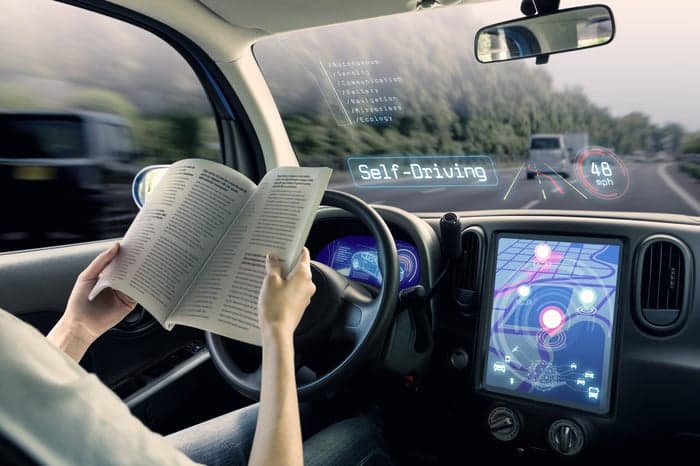
Uber Technologies is adopting a unique strategy regarding the rise of self-driving vehicles. Instead of investing heavily in developing its own autonomous car fleet, the company has forged partnerships with key players in the industry, such as Alphabet's Waymo and a recent agreement with Rivian. This collaborative approach sidesteps the significant capital expenditure and extensive testing required for level 4 autonomous technology.
This strategic pivot is driven by the immense financial burden and inherent risks of in-house development, a path Uber previously abandoned after a fatal incident. By partnering, Uber can access self-driving vehicles without the prohibitive costs. These alliances also allow Uber to leverage its established user ecosystem and brand recognition, offering partners immediate access to a large customer base in its operational cities.
Uber's strategy aims to convert the disruptive threat of autonomous vehicles into a competitive advantage. The company anticipates that these partnerships will eventually lead to lower operational expenses and improved profit margins. With significant market penetration still to achieve, this approach positions Uber to maintain market share and capitalize on future growth in the evolving transportation landscape.
