Home / Business and Economy / Tesla's Robotaxis Drive Themselves in Texas
Tesla's Robotaxis Drive Themselves in Texas
16 Dec
Summary
- Tesla robotaxis recently tested driverless on Austin public roads.
- CEO Elon Musk targets end-of-year removal of safety monitors.
- Tesla's Energy segment shows strong growth, outperforming auto.
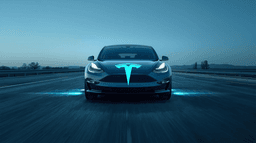
Tesla has taken a significant stride in its robotaxi development, recently testing vehicles without human oversight on public roads in Austin, Texas. This marks a critical step towards achieving fully autonomous rides, a central tenet of the company's long-term growth strategy. CEO Elon Musk has expressed optimism, suggesting that vehicles could operate without safety monitors by the end of 2025.
Despite this progress, Tesla's automotive division grapples with declining vehicle deliveries and increasing competition, particularly from Chinese manufacturers. Weakening demand in key markets and ongoing price cuts are pressuring automotive margins. In contrast, Tesla's Energy Generation and Storage segment is experiencing robust expansion, driven by high demand for its storage systems and now outperforming the automotive business in terms of growth and profitability.
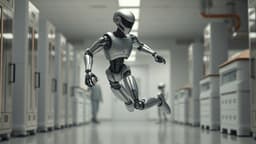
Furthermore, Tesla's exploration into humanoid robotics with Optimus presents another potential future growth avenue, though its commercialization timeline remains uncertain. While shares have underperformed the industry year-to-date and carry a high valuation, investing in Tesla is largely a bet on its long-term vision, with the Energy segment providing current stability and potential for future value creation.