

Home / Business and Economy / Tesla's Affordable EVs Fail to Boost Sales
Tesla's Affordable EVs Fail to Boost Sales
2 Apr
Summary
- Tesla's Q1 deliveries missed analyst expectations significantly.
- Stripped-down Model Y and 3 failed to improve sales.
- Competitors like Rivian also face challenges in EV growth.
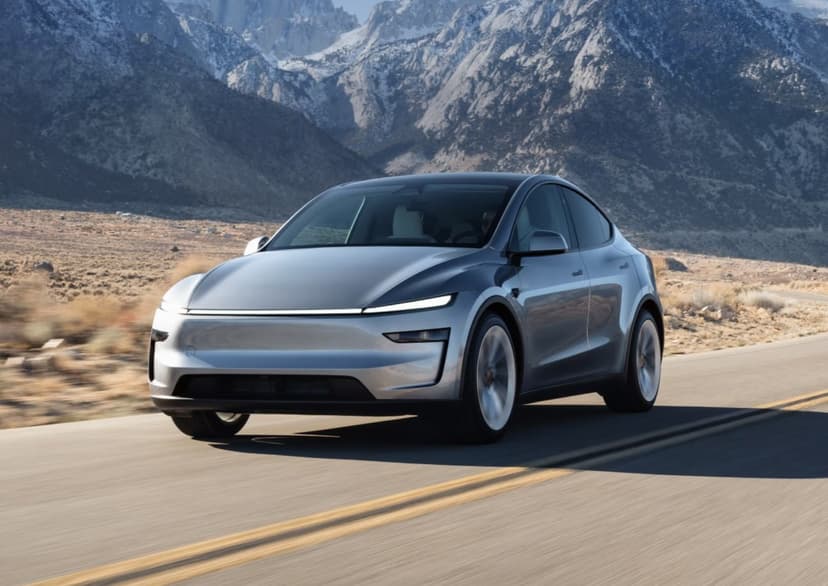
Tesla's latest quarterly figures reveal that its efforts to introduce more affordable electric vehicles have not significantly boosted sales. In the first quarter of 2026, the company delivered 358,023 EVs globally, falling below the anticipated 368,000 units. Production significantly outpaced deliveries, with 408,386 vehicles built.
This performance marks a mere 6% increase compared to the first quarter of 2025, a period already impacted by production line shutdowns for equipment upgrades. The company's current sales trajectory suggests a risk of overall sales decline for the third consecutive year.
Tesla is not alone in facing these challenges; the broader EV market, particularly in the United States, is experiencing difficulties. Established automakers have scaled back ambitious EV plans, and newer companies are struggling. Rivian reported shipping just over 10,000 vehicles in the first quarter, a figure consistent with previous periods.
Further complicating Tesla's strategy, CEO Elon Musk canceled a projected $25,000 EV in favor of focusing on the "CyberCab." The recently released Cybertruck, despite being Tesla's only truly new model in years, has also underperformed expectations, with only 16,130 "other models" sold in Q1 2026, a category that includes the Cybertruck and older S and X models.
