Home / Business and Economy / Food Prices Stay High Despite Tariff Cuts
Food Prices Stay High Despite Tariff Cuts
22 Nov
Summary
- Tariff rollbacks on food won't bring immediate consumer price relief.
- Existing high-tariff inventories must be sold first.
- Supply chain delays mean price changes take months to register.
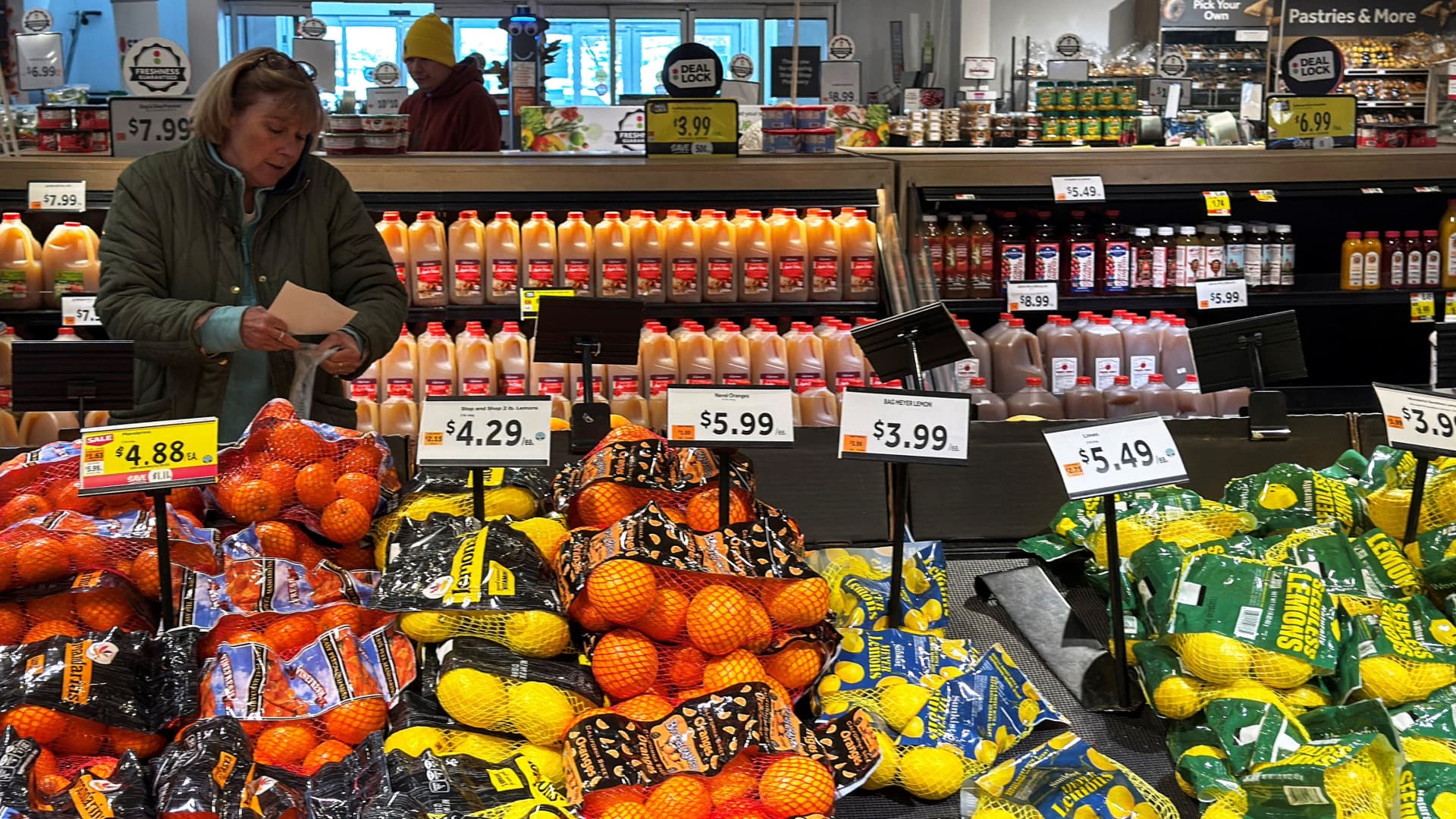
President Trump announced the rollback of certain tariffs on imported goods such as coffee, beef, and bananas. However, consumers are unlikely to experience immediate price reductions. This is primarily because existing inventories of these products were acquired under higher tariff rates and are currently held in warehouses.
Experts in supply chain management indicate that it takes approximately six months for price changes to impact consumers and another six months for prices to decrease once disruptions are resolved. Retailers must sell their current stock to recoup costs, meaning higher prices will remain on store shelves for the foreseeable future.
While some promotional sales on specific items like coffee or cheese may occur, they are expected to be temporary. The broader impact of these tariff adjustments on food prices will likely not be felt by consumers for an extended period, with some economists cautioning that prices may not return to previous levels even after current inventories are depleted.