Home / Business and Economy / Taiwan's Chip Factories Face Spice and Gas Shortages
Taiwan's Chip Factories Face Spice and Gas Shortages
7 Apr
Summary
- Taiwan's chip factories rely on LNG for power and helium for production.
- Global supply chain disruptions threaten essential materials for chipmaking.
- Historical parallels show markets eventually find new solutions.
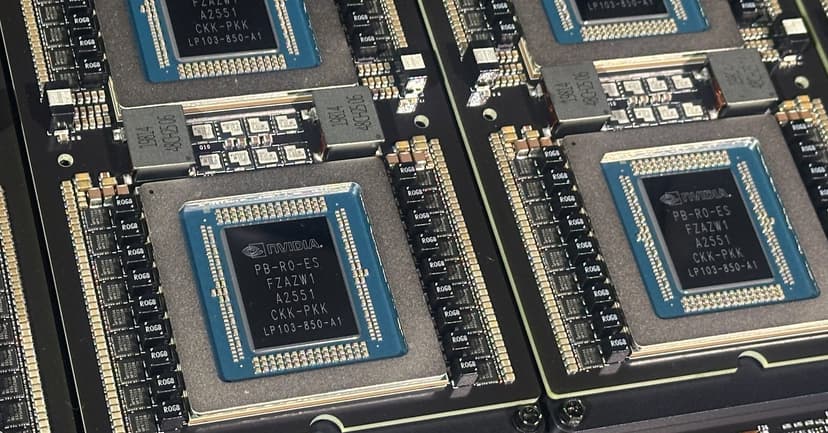
Taiwan's semiconductor manufacturing facilities, essential for global technology, are facing critical supply chain risks involving liquefied natural gas (LNG) and helium. LNG, accounting for nearly half of Taiwan's electricity generation, has seen its supply impacted by geopolitical conflicts, particularly concerning shipments from Qatar. Although alternative sources exist and prices remain manageable compared to recent highs, competition for these resources is increasing.
Helium, a crucial raw material for semiconductor fabrication, is also experiencing significant supply reduction due to ongoing conflicts. This scarcity poses a challenge for manufacturers like TSMC, as they compete with other industries for the available helium. The situation draws parallels to a 2005 event where a shortage of star anise, the source of shikimic acid for Tamiflu, drastically increased prices.
However, historical precedents suggest that markets can adapt. Roche, for instance, later developed a more efficient method for producing Tamiflu's key ingredient through bacterial fermentation. Similarly, it is anticipated that Taiwan will secure diverse energy sources and that new, unexpected suppliers of helium will emerge, ensuring the continued production of essential semiconductor components.


