Home / Business and Economy / Ships Go Dark in Hormuz: Stealth Tactics Rise
Ships Go Dark in Hormuz: Stealth Tactics Rise
7 Jun
Summary
- Ships are disabling transponders to avoid detection in the Strait of Hormuz.
- This tactic has become common for non-Iranian operators due to conflict risks.
- Dark transits through the strait now represent over half of all recorded passages.
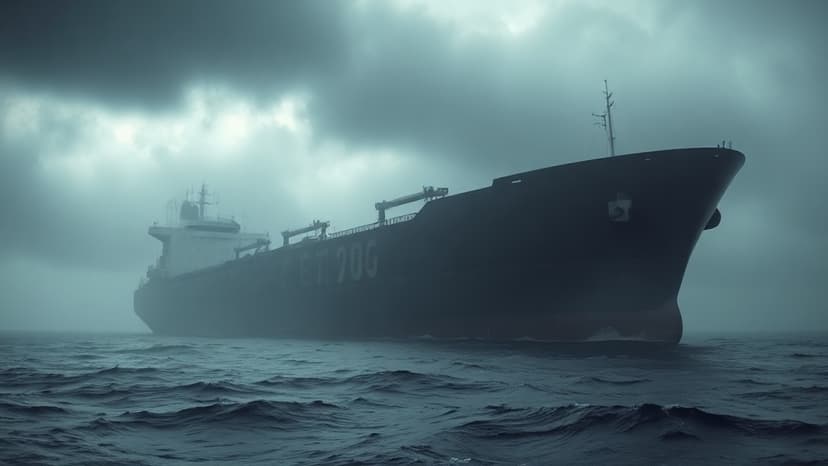
Vessels transiting the critical Strait of Hormuz are increasingly disabling their automatic identification system (AIS) transponders to operate 'dark,' becoming virtually invisible to authorities and other ships. This practice, initially linked to sanction-evading 'shadow fleets,' has broadened significantly due to the ongoing conflict in West Asia. The Strait, crucial for global oil and LNG flows, has seen maritime traffic dwindle amid threats, making stealth a necessity for commercial operators.
Recent data reveals a substantial surge in these dark transits. Between March and late May, such passages constituted 57% of all recorded transits through the Strait. This trend intensified in May, with dark outbound laden vessels reaching 65.2%. This shift indicates that AIS-off movements are no longer solely for sanctions evasion but have become an accepted operating protocol for navigating conflict risk and operational uncertainty.
Non-Iranian operators now dominate these dark transits, with vessels linked to the UAE, Iraq, and Qatar comprising the majority. This highlights that dark activity through Hormuz can no longer be considered a proxy for Iranian or sanctioned flows. The practice is adapting the export system to maintain energy flow under growing military pressure, degraded transparency, and sustained enforcement risks.


