


Home / Business and Economy / Gold Goes Shopping: Your New Everyday Money?
Gold Goes Shopping: Your New Everyday Money?
18 Apr
Summary
- Gold can now be spent using debit cards for daily purchases.
- Gold's value growth offers a hedge against inflation.
- Some states are passing laws to support gold-backed payments.
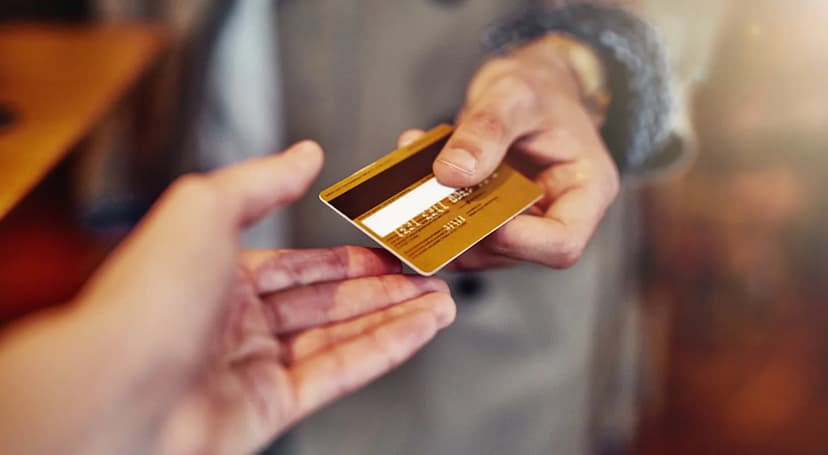
Gold's increasing value is transforming it into a potential form of everyday money that consumers can use for daily expenses. Technology now enables spending gold via debit cards, converting small amounts into currency at the moment of sale. This concept is gaining momentum as inflation persists and gold's price skyrockets, with state legislatures and fintech platforms increasingly backing the initiative. The core appeal lies in gold's historical role as an inflation hedge, maintaining or growing its worth while traditional currencies diminish.
Companies like Glint are enabling this by offering prepaid debit cards backed by physical gold stored securely. Users fund accounts in traditional currency, which is then converted into gold they legally own. When a purchase is made, a small portion of this gold is instantly sold and converted to currency. This trend is particularly resonant as inflation erodes the purchasing power of cash; for instance, $1,000 in 2020 cash is worth about $780 today, while $1,000 in gold from the same period could be worth $1,800 to $2,000.
Several U.S. states, including Texas and Utah, are considering or have introduced laws to simplify gold transactions and support digital payment systems linked to the metal. These measures aim to reduce tax friction and clarify legal treatment of gold, though they do not designate gold as legal tender. Despite the growing interest, critics raise concerns about potential fees, taxes, and other limitations that could affect the widespread adoption of gold-backed payment systems.
