Home / Business and Economy / New Solar Models Offer Hope Amidst Tax Credit Loss
New Solar Models Offer Hope Amidst Tax Credit Loss
4 Jan
Summary
- Federal tax credits for solar and batteries expire end of 2025.
- Lease-to-own and prepaid leases offer new financing avenues.
- Domestic manufacturing rules and tariffs may increase costs.
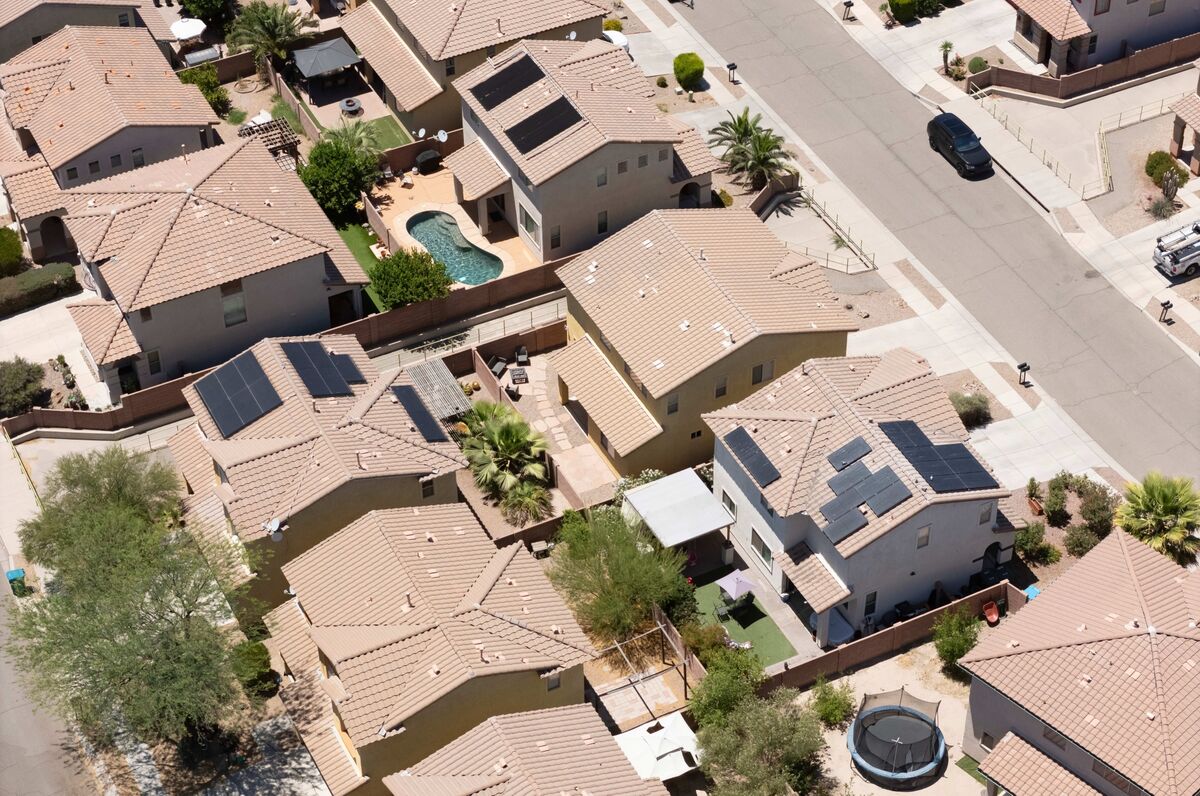
Home electrification costs are anticipated to rise in 2026 following the expiration of the 30% federal tax credit for solar and battery installations at the end of 2025. While this change primarily affects homeowners with a tax liability, new financing models are emerging to help mitigate potential price hikes. These include lease-to-own and prepaid lease options, where homeowners pay upfront for systems and receive discounted benefits, with installers retaining ownership for a period before transferring title.
New domestic manufacturing requirements, effective January 1, 2026, and potential tariffs on imported components could further increase the cost of solar panels and batteries. Analysts suggest these factors might encourage the industry to focus on reducing "soft costs" like permitting. For heat pumps, the loss of a $2,000 federal tax credit may have limited impact, as it only applied to the most efficient models, and prices might see modest increases due to tariffs on components used in domestically assembled units.
Despite these challenges, experts like Emily Walker of EnergySage predict continued demand for solar installations, driven by soaring electricity rates and the increasing adoption of electric vehicle chargers and energy-efficient appliances. Shawn Heckerman of SolarShoppers anticipates a stronger business year in 2026 than the previous one, even with the tax credit expiration, highlighting the long-term financial attractiveness of solar energy production over its 25-year lifespan.