Home / Business and Economy / Fuel Costs Dictate Shipping Routes: Beyond Distance
Fuel Costs Dictate Shipping Routes: Beyond Distance
8 Oct
Summary
- Bunker fuel is the largest operating expense for Indian shipping companies.
- Fuel price volatility significantly impacts voyage profitability and planning.
- Shipping lines now use slow steaming and smarter routing to manage costs.
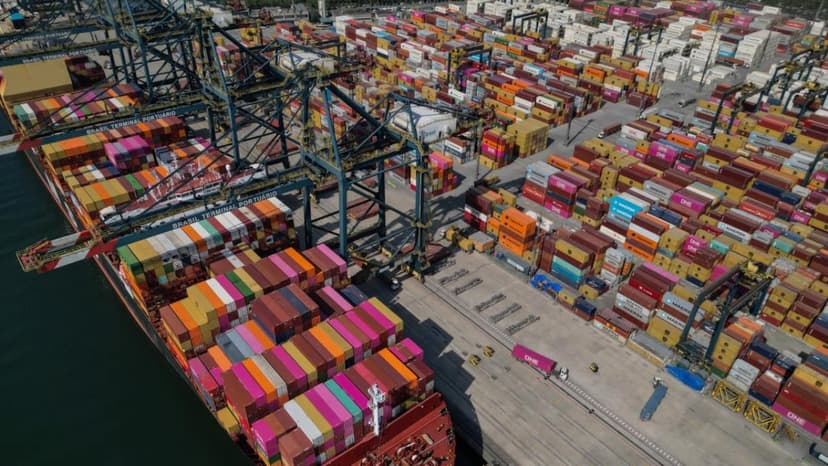
Bunker costs, representing the price of fuel for vessel journeys, have become a dominant factor in the shipping industry. For Indian shipping companies, this expense can constitute 40-60% of daily operating costs, directly influencing voyage profitability. Recent market volatility, driven by geopolitical events and supply disruptions, means bunker bills can fluctuate sharply, unlike more predictable costs like port charges or crew.
Shipping lines are adapting by employing strategies such as slow steaming and optimized route planning. These methods aim to reduce fuel consumption and manage voyage expenses without drastic service changes. Decisions regarding speed, route, and even cargo mix are now heavily weighed against potential bunker exposure, highlighting a fundamental shift in operational priorities within the sector.
This bunker price volatility directly impacts shippers through adjusted rates and surcharges. For smaller exporters, especially on long-haul routes, these increases can affect pricing and shipment frequency. Ultimately, understanding bunker dynamics is no longer just an operational concern but a strategic boardroom issue affecting supply chain planning and long-term business decisions.


