Home / Business and Economy / Fish Goes Incognito: Tuna Turns to Fried Chicken
Fish Goes Incognito: Tuna Turns to Fried Chicken
25 Mar
Summary
- Seafood is being disguised to resemble meats like chicken, salami, and meatballs.
- US seafood consumption is 19 pounds annually, far below the global average.
- Industry experts debate if disguised seafood will appeal to non-seafood eaters.
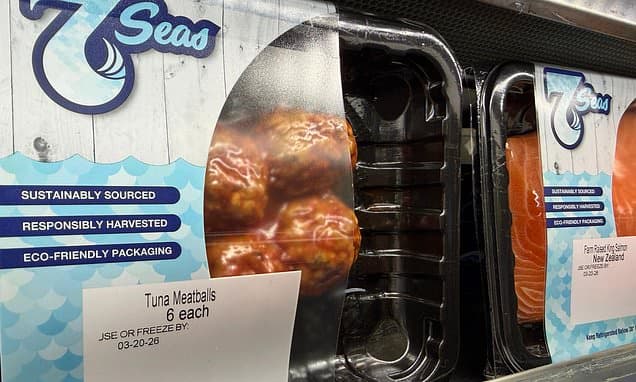
The American seafood industry is exploring innovative ways to boost consumption by transforming fish into familiar forms like salami, meatballs, and fried chicken. Companies are strategically altering the appearance and taste of seafood to overcome consumer hesitancy.
Tuna Fresh, a Taiwan-based company, is marketing tuna as fried "nuggets" and strips, aiming to appeal to the U.S. market through familiar fried food formats. Similarly, SK Food Brands offers shrimp burgers, a move designed to provide an "entry point" for those not typically inclined towards seafood. This strategy comes as Americans consume only about 19 pounds of seafood annually, significantly less than the global average.
While disguised seafood products like fish sticks and Filet-O-Fish have existed, newer offerings push boundaries further. Harbor Bell Seafoods' salmon snack strips are designed to mimic jerky, boasting minimal fishy smell or taste. Niaz Dorry of the North American Marine Alliance, however, advocates for preserving seafood's natural appearance, arguing it correlates with sustainable sourcing.
The seafood market, valued at $24 billion, has remained largely flat, with growth primarily from sushi sales, particularly among younger generations. Some industry analysts question whether disguised seafood will truly capture the interest of the 40% of the population that generally avoids seafood, while dedicated seafood enthusiasts may prefer products in their original form. This creative approach to seafood presentation was showcased at the recent Seafood Expo North America in Boston.