Home / Business and Economy / Samsung Refuses Own Phone Order Amid AI Chip Frenzy
Samsung Refuses Own Phone Order Amid AI Chip Frenzy
3 Dec, 2025
Summary
- Samsung Semiconductor rejected Samsung Electronics' RAM order for new phones.
- AI data centers are driving up memory chip prices significantly.
- Consumers may face higher prices for Samsung phones and other electronics.
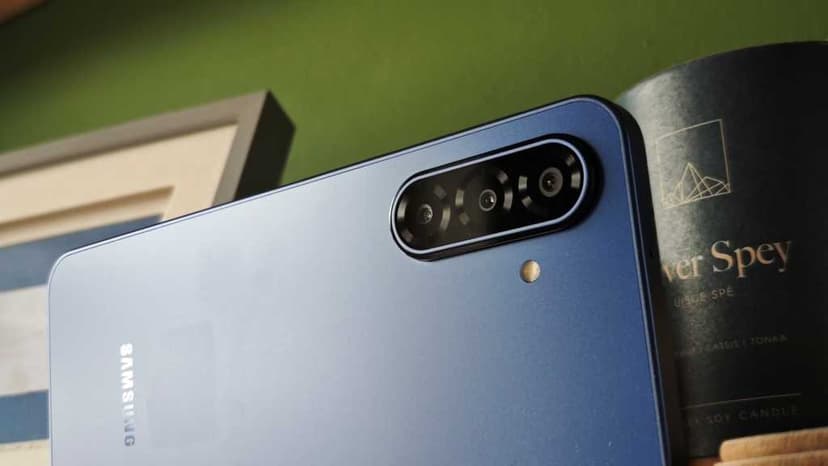
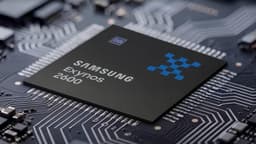
Samsung Semiconductor has reportedly declined a crucial RAM order from Samsung Electronics, its affiliated smartphone division. This decision stems from the unprecedented demand and escalating prices for memory chips, largely driven by the burgeoning "AI" bubble and the lucrative data center market. Chip manufacturers, including Samsung, are prioritizing high-paying data center clients over their own consumer electronics divisions.
Consequently, Samsung Electronics faces the challenge of securing memory supplies for its upcoming flagship phones under less favorable terms. The report suggests that the mobile experience division must now renegotiate supply contracts quarterly, with initial long-term deal proposals rejected by Samsung Semiconductor due to prevailing "chipflation." A short-term agreement at elevated prices has reportedly been reached.