Home / Business and Economy / Ship-to-Ship Oil Transfers Surge for Russian Exports
Ship-to-Ship Oil Transfers Surge for Russian Exports
20 Mar
Summary
- Russia uses ship-to-ship transfers to bypass sanctions and winter shipping issues.
- Asian nations are primary destinations for Russian refined products post-embargo.
- STS operations have increased significantly in Mediterranean and African waters.

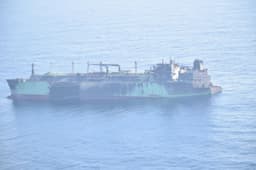
Russia has amplified its oil product exports through ship-to-ship (STS) transfers, a strategy driven by Western sanctions and severe winter weather that have reduced the availability of suitable tankers for Russian ports. This method allows ice-class tankers to focus on shorter hauls to the Mediterranean and Atlantic, where other vessels then carry the products to Asian destinations.
Asian countries have emerged as the principal markets for Russian refined product exports following the European Union's comprehensive embargo implemented in 2023. Compounding these challenges, harsh frosts in early 2026 tightened navigation rules in the Baltic Sea, barring non-ice-class tankers and requiring icebreakers for others from mid-February.
The combined pressure of shortening routes to Asia, a scarcity of ice-class vessels, and tightening sanctions has compelled traders to increase their reliance on STS operations. Data from January shows two naphtha-laden tankers from Ust-Luga conducting STS transfers off Togo before reaching Singapore. February saw STS operations near Al Hoceima, Morocco, and Port Said involving naphtha and fuel oil exceeding 200,000 tons.
Further complicating logistics, two more tankers carrying approximately 95,000 tons of naphtha from Ust-Luga are currently en route for STS operations near Italy's Augusta port, as indicated by recent shipping data.