feedzop-word-mark-logo
searchLogin
Feedzop
homeFor YouUnited StatesUnited States
You
bookmarksYour BookmarkshashtagYour Topics
Trending
Terms of UsePrivacy PolicyAboutJobsPartner With Us

© 2026 Advergame Technologies Pvt. Ltd. ("ATPL"). Gamezop ® & Quizzop ® are registered trademarks of ATPL.

Gamezop is a plug-and-play gaming platform that any app or website can integrate to bring casual gaming for its users. Gamezop also operates Quizzop, a quizzing platform, that digital products can add as a trivia section.

Over 5,000 products from more than 70 countries have integrated Gamezop and Quizzop. These include Amazon, Samsung Internet, Snap, Tata Play, AccuWeather, Paytm, Gulf News, and Branch.

Games and trivia increase user engagement significantly within all kinds of apps and websites, besides opening a new stream of advertising revenue. Gamezop and Quizzop take 30 minutes to integrate and can be used for free: both by the products integrating them and end users

Increase ad revenue and engagement on your app / website with games, quizzes, astrology, and cricket content. Visit: business.gamezop.com

Property Code: 5571

Home / Business and Economy / Rural Women's Trauma: Moderating Global Tech's Dark Content

Rural Women's Trauma: Moderating Global Tech's Dark Content

5 Feb

•

Summary

  • Women in rural India moderate violent content from home.
  • This work causes severe psychological distress and trauma.
  • Companies often deny support, citing work as 'not demanding'.

Rural Women's Trauma: Moderating Global Tech's Dark Content

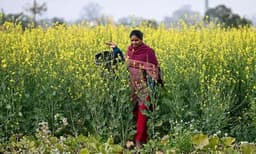
Women in rural Indian communities are facing significant psychological trauma while moderating violent and pornographic content for global technology firms. Working remotely from places like Jharkhand state, these 'ghost workers' classify vast amounts of flagged material daily to train AI algorithms. The distressing nature of the content leads to severe emotional strain, including sleeplessness and emotional numbing, as reported by moderators.

Sociologists and researchers categorize content moderation as dangerous work, comparable to lethal industries, with studies indicating lasting cognitive and emotional harm. Despite the psychological risks, many companies operating from smaller towns with lower labor costs offer minimal or no psychological support. Workers from marginalized backgrounds are often hired under vague job descriptions, only discovering the true nature of the work after contracts are signed.

trending

Qualcomm stock falls on shortages

trending

Suzlon Energy Q3 results up

trending

realme P4 Power 5G launched

trending

Savannah Guthrie pleads for mother

trending

MHADA sale postponed

trending

Kaleem stars, Oman beats Sri Lanka

trending

CTET admit card releasing soon

trending

Nepal vs Canada warm-up

trending

Richard Ngarava shines for Zimbabwe

These remote roles are aggressively marketed as flexible and safe, attracting first-generation graduates from rural areas. However, the work's 'respectability' and rarity as a paid employment source can discourage workers from voicing concerns about the psychological toll. Strict non-disclosure agreements further isolate these workers, preventing them from discussing their experiences, even with family.

Many workers, like Raina Singh, have left such roles due to the graphic and relentless nature of the material, including child sexual abuse content, which caused profound personal distress and changes in their intimate lives. Despite the evident harm, companies often dismiss requests for psychological assistance, leaving workers with limited protections and often without the language to articulate their suffering.

Disclaimer: This story has been auto-aggregated and auto-summarised by a computer program. This story has not been edited or created by the Feedzop team.
Women moderators experience significant psychological trauma, including sleepless nights and emotional numbing, from viewing violent and pornographic material.
Women are hired for content moderation due to perceptions of reliability and detail-orientation, offering them rare income opportunities without migration.
Many companies argue the work is not demanding enough to require mental healthcare and offer little to no psychological support, leaving workers with limited protections.

Read more news on

Business and Economyside-arrowArtificial Intelligence (AI)side-arrow

You may also like

India's AI Boom Empowers Rural Women

3 Feb • 29 reads

article image

India's Internet Users Surge Past 950 Million

29 Jan • 54 reads

article image

AI to Boost India's GDP by $550 Billion by 2035

24 Jan • 92 reads

article image

Jharkhand Extends Akanksha-40 Exam Deadline

19 Jan • 55 reads

article image

India Equities: FPIs Set for 2026 Comeback?

3 Jan • 194 reads

article image