Home / Business and Economy / Retailers Cut Products to Boost Profits
Retailers Cut Products to Boost Profits
10 Oct
Summary
- Companies like Dollar General are cutting thousands of SKUs.
- Under Armour and Lululemon are reducing product lines to improve profitability.
- Retailers aim to stabilize businesses by streamlining offerings.
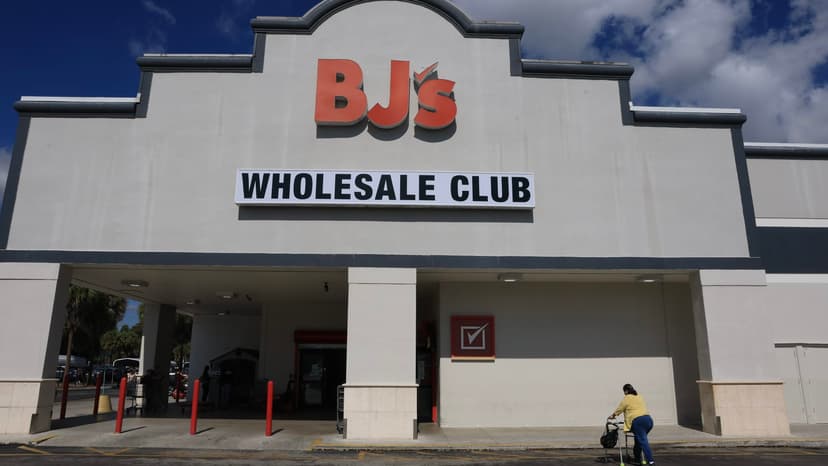
Several major retailers, including Dollar General, Under Armour, BJ's Wholesale Club, and Lululemon, are actively reducing the variety of products they offer. This strategic move, known as SKU rationalization, involves cutting thousands of Stock Keeping Units (SKUs) from their inventories. Companies are implementing this to clean up their balance sheets and boost profitability in response to economic pressures like high inflation affecting consumer spending.
Dollar General has trimmed 1,500 SKUs, while Under Armour plans further cuts to reduce its SKU count by 50% over several years. BJ's Wholesale Club aims to reduce its SKUs by approximately 20%, and Lululemon has cut North American SKUs by 15%. The underlying goal is to stabilize businesses, reduce the need for heavy discounting, and improve overall margins.
Retailers are prioritizing fewer products with a clearer purpose, aiming for tighter execution and a compelling reason for customers to buy. This often means selling fewer items at a higher full retail price. While Under Armour's operating income turned negative in fiscal years 2025 and 2026, the company stated it is managing for quality over short-term sales volume.
Lululemon, despite sales growth, saw its operating profit fall. Analysts note that excessive markdowns can dilute brand value, suggesting that simply cutting SKUs isn't a complete solution. For smaller retailers like Dollar General and BJ's, trimming assortments helps manage inventory and refine offerings, potentially increasing sales of remaining items and allowing for new product categories.
Successfully reducing product lines comes with inherent risks, such as losing customers to competitors offering the eliminated products. Companies must navigate investor expectations while revenue may shrink in the short term. The strategy involves a delicate balance to achieve long-term stability and growth.


