

Home / Business and Economy / Rent Growth Slows to Multi-Year Low
Rent Growth Slows to Multi-Year Low
23 Apr
Summary
- Rent growth is at its slowest pace since December 2020.
- New housing supply and normalizing demand are easing rental costs.
- Income rose faster than rents in March, improving affordability.
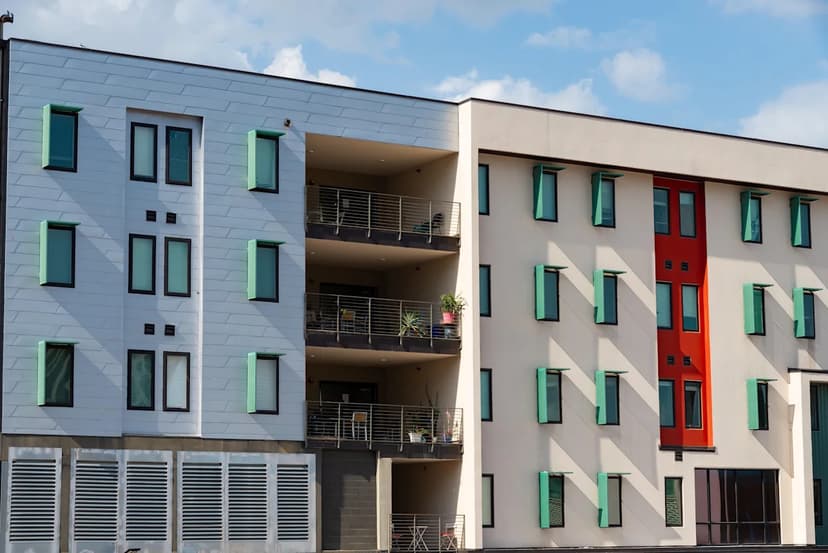
Rents are experiencing their slowest growth rate since December 2020, according to a recent Zillow study. The typical monthly rent in March saw a modest 1.8% increase compared to the previous year. This deceleration is largely due to new housing supply coming online and demand returning to normal levels, alongside affordability constraints impacting landlords' pricing power.
Further good news for renters is that personal income growth outpaced the rise in rental costs during March. This shift has provided some financial breathing room for households. Specifically, single-family rents saw their slowest annual increase on record since 2015, rising by 2.5%. Multifamily home rents increased by 1.3% to $1,757 per month.
Areas like Austin, Texas, experienced the most significant rent cooling, with prices down 2.3% year-over-year. Tampa, Florida, and San Antonio, Texas, also saw rents decrease by 1.6%. Despite this slowdown, the median household still dedicates 26.5% of its income to rent, and earning enough to comfortably afford the typical rent requires an annual income of at least $76,400.
