feedzop-word-mark-logo
searchLogin
Feedzop
homeFor YouUnited StatesUnited States
You
bookmarksYour BookmarkshashtagYour Topics
Trending
trending

Earthquakes rattle San Ramon

trending

Anthony Joshua knocks out Paul

trending

50 Cent electrifies Oklahoma

trending

Alabama advances to Rose Bowl

trending

Rory McIlroy wins BBC award

trending

Giddey dominates Bulls victory

trending

Celtics beat Heat 129-116

trending

Seahawks beat Rams in OT

trending

Anthony Edwards returns to Timberwolves

Terms of UsePrivacy PolicyAboutJobsPartner With Us

© 2025 Advergame Technologies Pvt. Ltd. ("ATPL"). Gamezop ® & Quizzop ® are registered trademarks of ATPL.

Gamezop is a plug-and-play gaming platform that any app or website can integrate to bring casual gaming for its users. Gamezop also operates Quizzop, a quizzing platform, that digital products can add as a trivia section.

Over 5,000 products from more than 70 countries have integrated Gamezop and Quizzop. These include Amazon, Samsung Internet, Snap, Tata Play, AccuWeather, Paytm, Gulf News, and Branch.

Games and trivia increase user engagement significantly within all kinds of apps and websites, besides opening a new stream of advertising revenue. Gamezop and Quizzop take 30 minutes to integrate and can be used for free: both by the products integrating them and end users

Increase ad revenue and engagement on your app / website with games, quizzes, astrology, and cricket content. Visit: business.gamezop.com

Property Code: 5571

Home / Business and Economy / QSRs Lose Grip: Who Owns the Customer Now?

QSRs Lose Grip: Who Owns the Customer Now?

18 Dec

•

Summary

  • Big QSR brands are seeing stock declines.
  • Food apps empower local players, shrinking margins.
  • Customer control is shifting away from large brands.
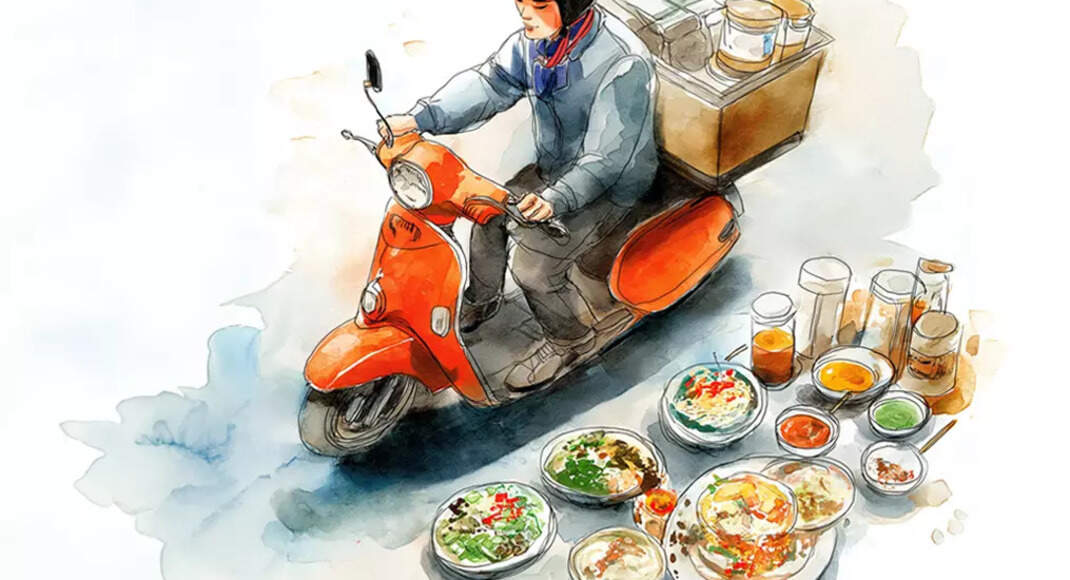
QSRs Lose Grip: Who Owns the Customer Now?

The dominance of major Quick Service Restaurant (QSR) brands is facing a significant challenge. Stocks for prominent QSR companies like Westlife and Jubilant have seen declines, even as their market valuations remain elevated. This downturn suggests a shift in market power, with scale no longer being a guarantee of success.

The rise of food delivery applications is a key factor in this transformation. These platforms are increasingly empowering smaller, local food businesses, which in turn is leading to reduced profit margins for larger chains. Growth rates for these established brands have slowed considerably, now often in the single digits.

The evolving market dynamics raise a critical question: who truly holds sway over the customer's choice? The traditional belief that popularity equates to stock performance, as espoused by investors like Peter Lynch, is being tested in India's restaurant sector. This period marks a substantial reshaping of the food market.


Disclaimer: This story has been auto-aggregated and auto-summarised by a computer program. This story has not been edited or created by the Feedzop team.
Big QSR brands are losing their edge due to the rise of food apps empowering local players, which squeezes margins and slows growth.
Food apps are enabling local restaurants to gain prominence, challenging the market share and profitability of larger QSR chains.
Customer control is shifting as food apps give more power to local eateries, diminishing the traditional advantage of large QSR brands.

Read more news on

Business and Economyside-arrow

You may also like

Zamrock Revival: Sampa the Great's Bold New Sound

5 hours ago • 4 reads

article image

Unaired Survivor Scene Reveals Savannah's True Target

11 Dec • 51 reads

article image

Get Ready: Malcolm In The Middle Is Back in 2026

6 Dec • 65 reads

article image

Radio Host Quits Show for Mental Health

28 Nov • 109 reads

article image

Toxic Avenger Reboot: Star Power Meets Gore!

28 Nov • 3 reads

article image