Home / Business and Economy / Iran Attacks Qatar LNG: Global Energy Crisis Looms
Iran Attacks Qatar LNG: Global Energy Crisis Looms
21 Mar
Summary
- Qatar's Ras Laffan LNG plant faces five years of repairs after attacks.
- Seventeen percent of Qatar's LNG exports are impacted by the strikes.
- Emerging Asian economies face severe energy price hikes and shortages.
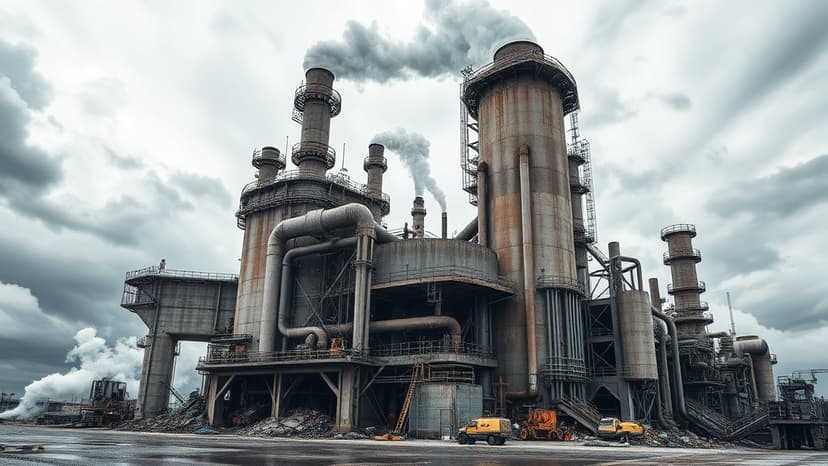
The world's largest liquefied natural gas plant, Qatar's Ras Laffan, is facing a potential five-year repair period following retaliatory Iranian drone attacks. This incident marks the first supply interruption in its three decades of operation and has damaged facilities representing 17% of Qatar's annual LNG export capacity.
Experts warn this extensive damage could trigger a doomsday gas crisis, with potential disruptions lasting months or even years. The immediate impact includes the probable end of a global gas glut and a surge in energy prices, particularly affecting emerging economies in South and Southeast Asia. Pakistan, heavily reliant on Qatari LNG, has already flagged potential gas shortages for mid-April.
The crisis highlights the fragility of the global LNG supply chain, which relies on specialized infrastructure and just-in-time deliveries. Unlike oil, there are no global strategic reserves for LNG, making system disruptions particularly acute.
Developed nations in Europe and Asia could also face energy cutbacks if prices reach 2022 highs, especially as they prepare to restock for winter. QatarEnergy's CEO has indicated the risk of force majeure on contracts for up to five years, suggesting prolonged impacts are likely.
While the US and Australia are positioned to benefit from increased demand for their LNG, concerns remain about their capacity to significantly boost output. Meanwhile, Russia may see increased LNG sales to China, potentially accelerating projects like Power of Siberia 2. The situation sets up a potential price war between the Atlantic and Pacific basins as nations compete for scarce supply.