Home / Business and Economy / Porsche Eyes Electric Sports Car Halt Amidst Cost Overruns
Porsche Eyes Electric Sports Car Halt Amidst Cost Overruns
2 Feb
Summary
- Porsche may cancel its planned 718 electric sports car line.
- Development delays and rising costs are primary concerns.
- A pivot back to combustion-engine and hybrid models is underway.
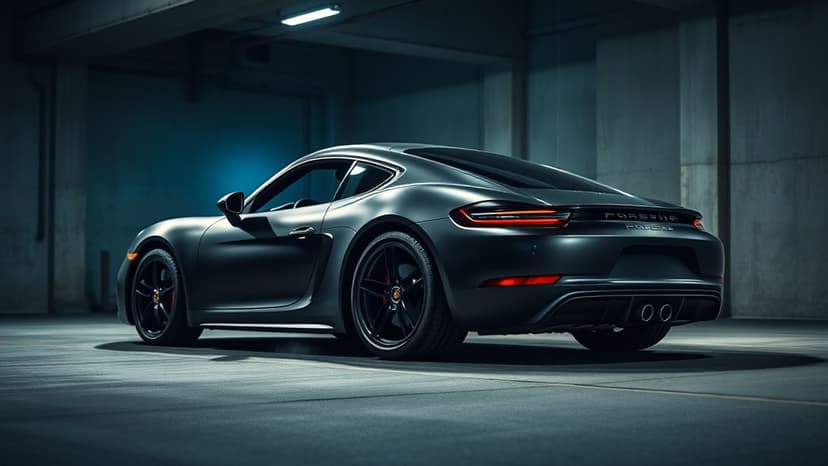
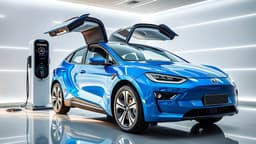
Porsche AG is contemplating the cancellation of its planned 718 electric sports car line, signaling potential cutbacks amidst significant cost overruns. People familiar with the matter suggest that new CEO Michael Leiters is considering this move due to development delays and escalating expenses associated with the EV strategy.
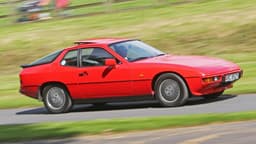
The gasoline versions of the Boxster and Cayman models, which were relatively affordable entry points to Porsche ownership, concluded production in 2025. The potential shelving of the electric successors comes as Porsche faces budget constraints, exacerbated by declining sales in China and the financial impact of reversing its EV course.
Complicating matters further, deliberations about a plug-in hybrid variant for the new line would necessitate different underpinnings, potentially delaying the project by several years. This delay risks the introduction of older technology at a critical juncture when Porsche needs to generate excitement for its products.
This situation with the 718 line reflects broader challenges in Porsche's electric vehicle push. The company is re-evaluating its EV strategy, having previously cut its guidance multiple times last year. This course correction is anticipated to reduce operating profit by as much as €1.8 billion in 2025. Porsche is also contending with import tariffs in the United States, its largest market.
Porsche ended output of its combustion-engine 718 models last year, with plans to reintroduce them as electric variants as early as 2026. In 2024, the final full year of production for the combustion variants, sales of the Boxster and Cayman rose by 15% to 23,670 units. The automaker aims to improve financial performance after its shares fell out of Germany's benchmark DAX index last year.
Leiters' appointment has brought some optimism, ending a dual CEO role for Oliver Blume, who now solely heads up Volkswagen. Leiters, who has a history of successfully promoting hybrids, faces pressure to negotiate cost reductions with labor leaders. While 2025 is expected to be a low point, the company targets a return to double-digit margins in the years following 2026.