Home / Business and Economy / Permian Basin Water Challenges & Solutions
Permian Basin Water Challenges & Solutions
1 Aug
Summary
- Conference addresses water management in North America's top producing basin.
- Produced water volumes reach 26 million barrels daily, facing new demands.
- Forum connects operators, regulators, researchers, and investors for water infrastructure.
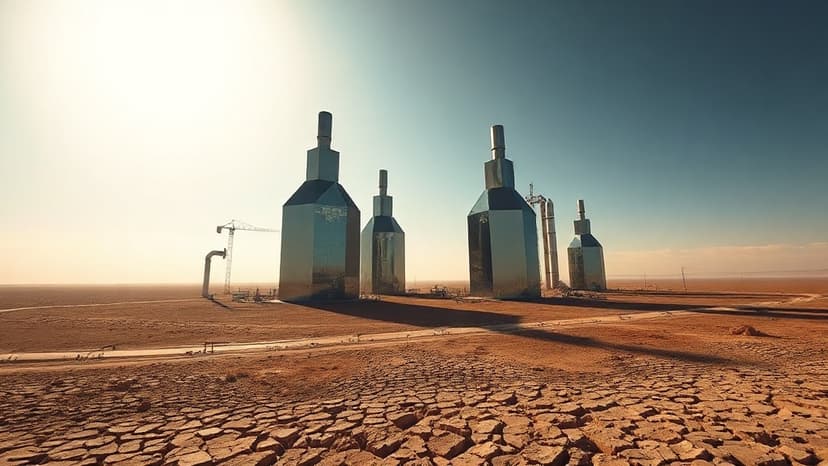
The 11th Annual Permian Basin Conference and Exhibition is set to convene from August 11 to 13, 2026, at the Bush Convention Center in Midland. This critical event targets professionals involved in high-volume water systems, midstream development, regulatory bodies, technology firms, and investors funding infrastructure for water treatment, disposal, and reuse across West Texas and Southeast New Mexico.
The Permian Basin is North America's leading producer of oil, gas, and crucially, water. Industry estimates indicate approximately 26 million barrels of produced water are generated daily, with most still directed to Class II injection wells. However, seismicity concerns, pore space limitations, and evolving regulations are constricting this traditional pathway.
Simultaneously, new demands are emerging for this water, including its use in data center cooling, critical mineral recovery, agricultural applications, and permitted surface discharge. Each of these alternative uses necessitates significant capital investment, regulatory approval, and strategic partnerships, highlighting the conference's role in facilitating these connections.
The conference program features four keynotes, ten technical sessions, and twenty-one presentations in roundtable blocks, alongside a comprehensive exhibition. A significant focus is placed on financial decision-making factors such as unit economics, permitting timelines, offtake agreements, and risk allocation. This event is unique in bringing together exploration and production operators, water midstream companies, federal and state agencies like the U.S. Department of Energy and the Texas Commission on Environmental Quality, legislators, researchers, and various capital providers including private equity and infrastructure funds.


