

Home / Business and Economy / Record Canal Fees: Oil Buyers Reshape Global Trade
Record Canal Fees: Oil Buyers Reshape Global Trade
23 Apr
Summary
- Canal transit fees hit record highs due to Asian oil demand.
- Auction prices for key locks average $837,500, up tenfold.
- Wait times for crude tankers increased to 4.25 days.
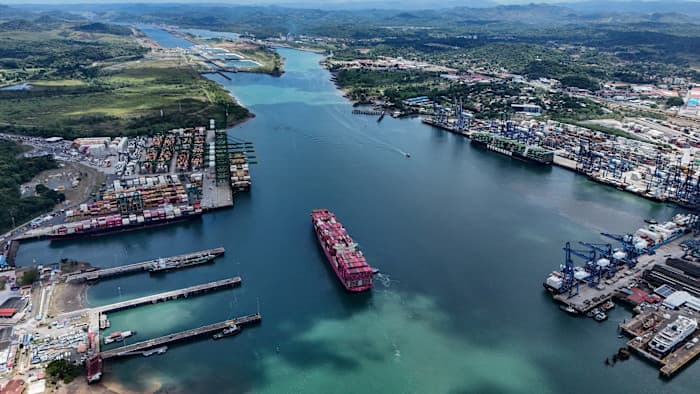
Charges for transit through the Panama Canal have surged to record highs, driven by intense demand for oil and gas from Asian buyers. This situation has reshaped global shipping routes, particularly due to disruptions stemming from the Iran war and the closure of the Strait of Hormuz.
Daily auctions for transit lanes have seen a fivefold increase in bids compared to pre-conflict levels. Auction prices for the widely used Panamax locks have averaged $837,500, representing a nearly tenfold increase since the Iran war began. This spike reflects Asian buyers' urgent need to source commodities, primarily from the US Gulf Coast.
The increased traffic of US oil and fuel shipments has extended wait times for crude tankers to an average of 4.25 days. To bypass these queues, some companies have paid as much as $4 million for transit slots in individual auctions. While most large vessel owners pre-book slots, up to 30% of traffic competes in daily auctions.
Experts attribute this trend to the ample US supply and the significant energy supply shock caused by the conflict. With reduced supply on the water, Asian markets are driving up prices, creating strong competition for US cargoes. This has led to a notable diversion of vessels carrying diesel, LNG, and jet fuel, with most now rerouting to Asia.
