Home / Business and Economy / Pakistan's Chilli Capital Poisoned: A Hidden Danger
Pakistan's Chilli Capital Poisoned: A Hidden Danger
10 Jul
Summary
- Pakistan's famed chilli powder is contaminated with a potent carcinogen.
- Contamination levels in Pakistani chillies exceed EU safety limits eightfold.
- Hybrid seeds offer higher profits but lack native resilience and flavor.
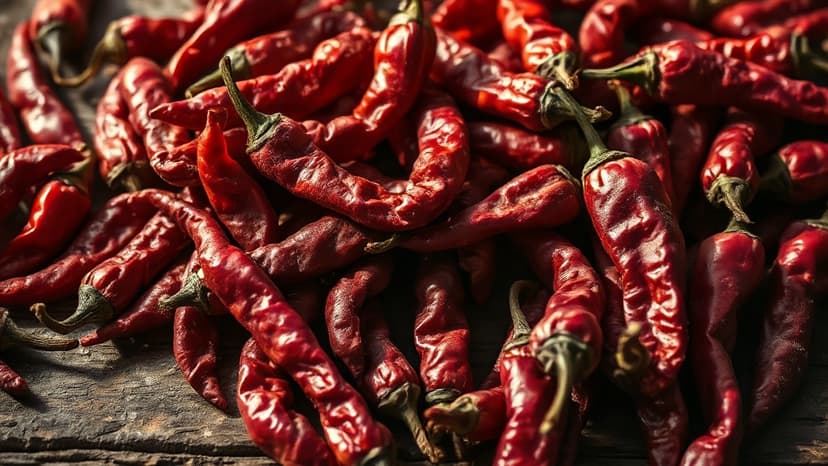
Kunri, once celebrated as Asia's red chilli capital, now faces a serious crisis due to contamination of its famed chilli powder with Aflatoxin B1, a potent carcinogen. This naturally occurring mold toxin develops in decaying vegetation and soil, and its presence in Pakistani red chilli powder far exceeds international safety limits. European Union standards set a maximum of 5 micrograms per kilogram for aflatoxin B1, but Pakistani products often show concentrations eight to nine times higher.
This contamination has led to the return of Pakistani shipments and a shift in buyer preference to other supply sources. Research from Kunri's fields indicates that even pre-harvest hybrid chilli blends can contain high levels of Aflatoxin B1, with some samples exceeding the EU limit by 120 times. Packaging for certain brands, intended only for domestic consumption, highlights this issue, as they fail international safety standards.
The contamination process begins in the fields, with chillies drying on the ground exposed to dust and humidity, fostering fungal growth. Improper handling and transportation further degrade quality. Efforts to mitigate this, such as the introduction of solar tunnel dryers, have seen limited farmer adoption due to cost-sharing requirements and logistical challenges.
Simultaneously, the region's traditional Dundicut or Longi chilli, prized for its unique flavor and aroma, is facing economic challenges. While it yields Rs100,000 per acre profit, hybrid seeds like Sanam offer eight times that amount. Farmers are increasingly opting for these profitable hybrid seeds, which are engineered for yield and disease resistance but lack the distinctive taste and aroma of native varieties. These foreign hybrid seeds, often sourced internationally, also struggle to adapt to local climate conditions, unlike the resilient Dundicut, which has been cultivated and refined over generations in Kunri's specific environment.


