

Home / Business and Economy / Asia's Oil Routes Shift: Red Sea Becomes New Chokepoint
Asia's Oil Routes Shift: Red Sea Becomes New Chokepoint
7 Apr
Summary
- Asian nations reroute oil to avoid Hormuz, using Saudi's Yanbu port.
- Bab el-Mandeb Strait emerges as new potential chokepoint.
- Houthi threats raise concerns for Red Sea energy shipments.
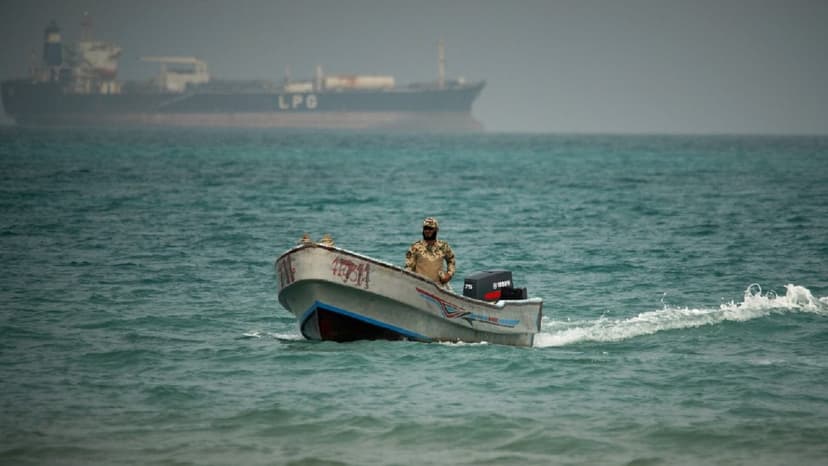
South Korea and Taiwan are implementing revised shipping strategies to circumvent the Strait of Hormuz, rerouting crude oil through Saudi Arabia's Yanbu port on the Red Sea. This adjustment is a direct response to ongoing disruptions impacting West Asian crude imports.
South Korea is considering deploying five Korean-flagged vessels to Yanbu, seeking to secure alternative oil supply routes. Taiwan has confirmed it is redirecting approximately 46 percent of its adjusted oil supplies via Red Sea routes, supplementing the remainder through spot purchases.
While the route through Yanbu offers a viable alternative, it introduces new risks. The Bab el-Mandeb Strait, a vital passage linking the Red Sea to the Gulf of Aden, has become a potential chokepoint. This is due to threats from Yemen's Iran-aligned Houthi group, which has previously targeted Red Sea shipping and could potentially restrict maritime movement.
Yanbu's daily loading capacity has reportedly increased significantly, accommodating a shift in exports away from the Strait of Hormuz. Despite these efforts, the increased reliance on the Bab el-Mandeb Strait, now handling a substantial volume of crude, raises concerns about the security of global energy shipments.
