Home / Business and Economy / Oil Prices Climb as US-Iran Strikes Deepen Hormuz Risks
Oil Prices Climb as US-Iran Strikes Deepen Hormuz Risks
2 Sep
Summary
- Brent crude surpassed $95 and WTI crossed $91 amid new US-Iran strikes.
- The Strait of Hormuz, carrying one-fifth of global oil, faces closure risks.
- US inventories fell by 2.6 million barrels in the past week.
Oil prices continued their upward trend for a third straight session on Wednesday, with Brent crude futures rising above $95 a barrel and US West Texas Intermediate (WTI) crossing $91. These increases followed a significant surge on Tuesday, driven by fresh US-Iran strikes that intensified worries about a potential deepening of supply shocks.
The latest escalation involves an exchange of strikes between Washington and Tehran, marking the most serious conflict in weeks. The US conducted airstrikes on Iranian targets, while Iran retaliated against American military positions and other US-linked assets across the region. This renewed fighting has diminished hopes for a swift easing of Middle East tensions.
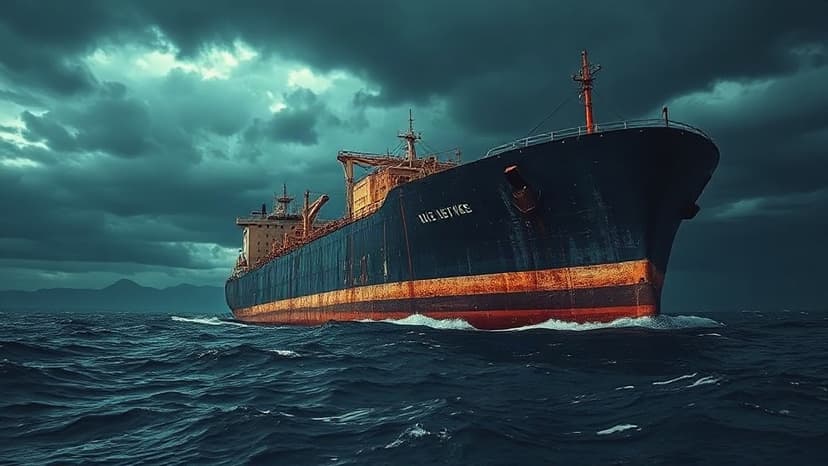
The Strait of Hormuz, a critical oil route responsible for approximately one-fifth of the world's oil consumption, is now a focal point of concern. Iran's actions have effectively restricted commercial shipping through the waterway, and recent US attacks are expected to further impede traffic, intensifying fears of oil price spikes if shipments remain disrupted.
Further complicating the situation, two tankers departing the Strait of Hormuz were attacked earlier this week, disrupting oil supplies and prompting traders to seek alternative crude sources. These incidents occurred amid Iran's IRGC claims of ballistic missile and drone attacks on US military bases in Jordan and Bahrain, respectively, although US officials reported no American casualties thus far.
Adding to the market's unease, US crude inventories experienced a notable decline, falling by 2.6 million barrels in the week ending August 28. This reduction in stockpiles, combined with the growing geopolitical risks surrounding a key global oil-shipping route, is placing additional pressure on oil prices.


