Home / Business and Economy / Submetering Loophole Leaves Ohio Tenants Scrambling
Submetering Loophole Leaves Ohio Tenants Scrambling
8 Feb
Summary
- Tenants report excessive utility bills from submetering companies.
- Submetering companies operate in a regulatory gray zone in Ohio.
- Legislation aims to regulate submetering and protect renters.
- Columbus enacted local ordinances to regulate submetering practices.
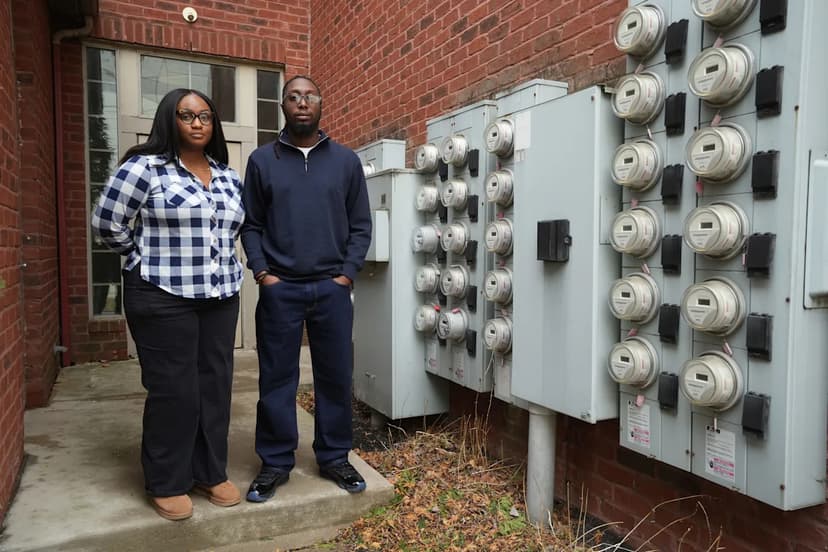
Tenants in Ohio are facing significantly inflated utility bills from submetering companies, a practice that operates in a largely unregulated space. Individuals like Andrea Feagin have reported exorbitant charges, with one electric bill for a one-bedroom apartment reaching nearly $500, far exceeding average household usage. These companies purchase electricity from public providers and resell it to tenants, often passing on costs for infrastructure and administrative fees. In 2025, numerous complaints were filed with the Ohio Attorney General and the Public Utilities Commission of Ohio (PUCO) regarding these practices, with Nationwide Energy Partners and American Power & Light receiving the most complaints. The PUCO does not have oversight authority over these companies, as they are not classified as public utilities. This lack of regulation means submetered customers lack protections such as income-based payment plans or the ability to choose their electricity provider. Some submetering companies are reportedly owned by apartment complex owners, creating a conflict of interest and potentially increasing profits at the expense of renters. In response to these concerns, two bills were introduced in the Ohio House of Representatives in 2025: House Bill 265 seeks to define submetering companies as public utilities, while House Bill 173 proposes registration with the PUCO and caps on charges. Meanwhile, Columbus City Council passed a resolution in December that prohibits submetering companies from charging tenants more than public utilities and caps administrative fees, becoming effective 30 days after December 9. These legislative and local actions aim to address the growing number of complaints and protect Ohio renters from what some describe as "second-class utility customer" status.