Home / Business and Economy / AI Compute Becomes Revenue: Nvidia's Bold New Strategy
AI Compute Becomes Revenue: Nvidia's Bold New Strategy
29 Aug
Summary
- Nvidia forecasts 70% revenue growth due to strong AI chip demand.
- CME Group plans AI chip rental cost futures, pending approval.
- Past market attempts like DRAM and bandwidth futures faced hurdles.
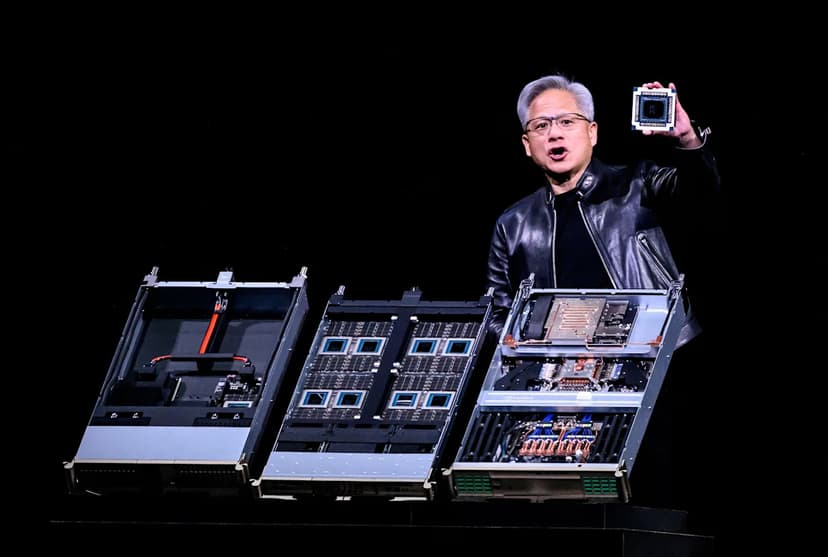
Nvidia anticipates a significant surge in revenue, forecasting approximately 70% growth for fiscal 2028 as supply struggles to meet the escalating demand for AI hardware. The company is expanding its role beyond chip sales, engaging in customer financing and revenue sharing from chip rentals.
This evolution is prompting Wall Street to develop tradable prices for computing power. CME Group intends to introduce futures contracts on October 5th, which will be benchmarked against the hourly rental costs of Nvidia's H100 and B200 GPUs. These contracts aim to track hourly rental prices, currently around $2.68 for H100 and $5.66 for B200, though these figures have fluctuated.
Past market creations by Wall Street, such as DRAM futures and Enron's bandwidth trading, faced difficulties. The DRAM market struggled with industry-wide agreement on a standard chip, while bandwidth faced issues with contract standardization and market adoption. These precedents highlight potential challenges for the new AI chip futures market.


